
Why Catching It Early Changes Everything
Type 2 diabetes doesn’t knock on the door. It slides in quietly, camouflaged as everyday tiredness, mood swings, or thirst you chalk up to “not drinking enough water.” For many, the diagnosis comes only after the damage is done—and that’s the real heartbreak.
But here’s the powerful truth: if you can recognize the warning signs early, you can change the outcome. Type 2 diabetes is often manageable—and sometimes reversible—if caught in time. But first, you have to notice what your body is trying to tell you.

What’s Really Happening in the Background
Before blood sugar numbers raise red flags on a lab test, something else is brewing behind the scenes: insulin resistance. That’s when your body’s cells start ignoring insulin, the hormone that helps move sugar out of your blood and into your cells for energy. At first, your pancreas works overtime to make more insulin. Eventually, it just can’t keep up.
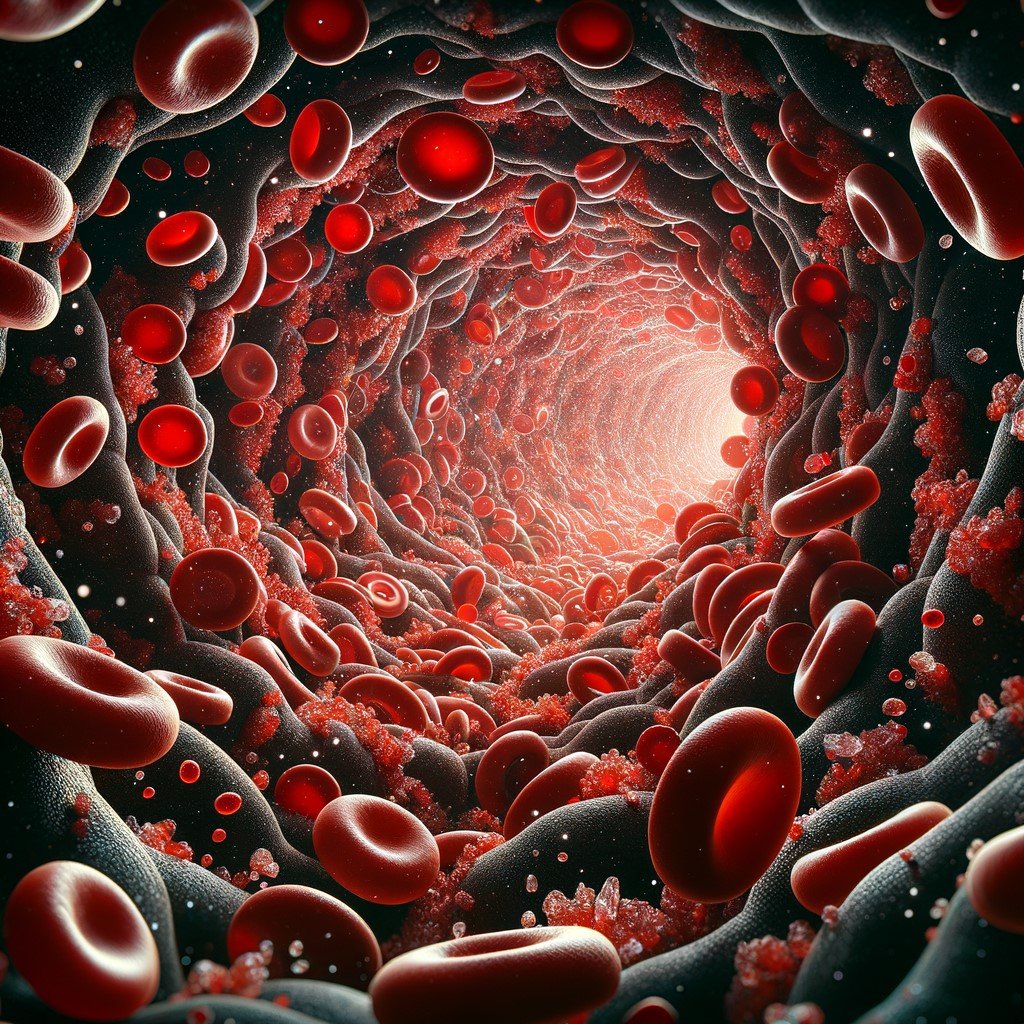
The result? Glucose lingers in the bloodstream, and over time, that extra sugar quietly wreaks havoc on nerves, organs, eyesight, and mental clarity. The worst part? You might not feel a thing—until you do.

The 12 Subtle Clues You Shouldn’t Ignore
What follows isn’t a checklist to panic over—but a wake-up call to listen more closely to your body. If several of these sound familiar, it’s time to take action.
1. You’re Always Tired—Even After a Full Night’s Sleep
This isn’t normal tired. It’s a deep, lingering exhaustion that sticks with you all day. Even when you rest, your cells aren’t getting the fuel they need. You feel drained—and can’t explain why.
2. You’re Thirsty All the Time (and Peeing Constantly)
Your body’s trying to flush out extra sugar through urine. So you’re constantly sipping water, only to find yourself racing to the bathroom again—especially in the middle of the night.
3. Your Vision Gets Blurry, Then Clears Up Again
One minute, everything’s sharp. The next, it’s like someone smeared Vaseline across your glasses. These blood sugar swings can change the shape of the lenses in your eyes.

4. You Feel Pins and Needles in Your Hands or Feet
It might start as a subtle tingling in your toes or fingertips. Or maybe a weird numbness that comes and goes. It’s not just uncomfortable—it’s a red flag for nerve damage.
5. Cuts and Scrapes Take Forever to Heal
Nick yourself shaving or get a small scratch? If it lingers for weeks or gets infected easily, that slow healing could signal that your immune system is struggling—another effect of rising blood sugar.
6. Your Weight Keeps Changing—Without Trying
You’re gaining around the belly even though your eating hasn’t changed. Or maybe the opposite—you’re losing weight without trying. Either way, your metabolism is sending an SOS.

7. You Notice Dark Patches on Your Skin
Thick, velvety, dark skin in places like the back of your neck, armpits, or groin? That’s called acanthosis nigricans—and it’s one of the clearest visual signs of insulin resistance.
8. You’re Always Hungry—Even After Eating
You just had a meal, but you’re already raiding the fridge. That’s because the glucose isn’t getting into your cells, so your body keeps asking for more—even though there’s plenty already in your blood.
9. You’re Snappy, Foggy, or Just Not Yourself
Mood swings, irritability, and that sluggish, fuzzy feeling in your brain? It’s not just “a rough day.” When blood sugar fluctuates wildly, it messes with your mental clarity and emotional balance.

10. You’re Dealing with Yeast Infections—Again
Recurring yeast or bladder infections, especially in women, can be a reaction to excess sugar. Bacteria and yeast thrive in sugary environments—and your body may be providing one.
11. Your Skin’s Itchy in Random Places
No rash. No allergy. Just relentless itchiness, especially on your arms or legs. Poor circulation or early nerve disruption could be behind that phantom itch.
12. Your Breath Smells… Sweet?
This one’s sneaky. A fruity, sweet odor on your breath can signal your body is burning fat instead of glucose—sometimes a warning of serious insulin resistance or even ketoacidosis.

What to Do Next—Before It’s Too Late: Start with Blood Work
Ask your doctor for:
Fasting glucose test
A1C panel
HOMA-IR score (for insulin resistance)
Oral glucose tolerance test (OGTT)
Even if you’re “borderline,” that’s a window of opportunity—your body is asking for help, not punishment.
Key Questions to Ask Your Doctor
Is this insulin resistance or something else?
What are my A1C trends over the last year?
How can I shift my lifestyle without feeling overwhelmed?
Simple Changes with Big Impact
Eat smarter: Focus on fiber, whole foods, and low-glycemic meals.
Move daily: Even a 20-minute walk improves blood sugar use.
Sleep better: Blood sugar regulation begins overnight.
De-stress: Chronic stress equals chronic cortisol—and more glucose in your bloodstream.
Products / Tools / Resources
Low-Glycemic Food Lists – Apps like Fooducate or MyFitnessPal offer glycemic index breakdowns.
Books: The Diabetes Code by Dr. Jason Fung; Bright Line Eating by Susan Peirce Thompson.
Support Groups: Look for insulin resistance or prediabetes communities on Reddit or Facebook.