Sleep apnea is a common yet serious condition characterized by repeated interruptions in breathing during sleep, resulting in poor sleep quality and potential health complications. Fortunately, modern technology has provided practical solutions through various types of sleep apnea machines, which are specifically designed to manage this disorder.
Whether you’re newly diagnosed or exploring better treatment options, understanding how these devices function, their benefits and side effects, cost considerations, practical usage tips for different scenarios such as travel or illness, maintenance requirements, and special considerations for infants and children can significantly enhance your therapy experience. This comprehensive guide will equip you with all the essential information needed to make informed decisions about selecting and using a sleep apnea machine tailored precisely to your individual needs.
Support Your Immune System Naturally—Explore Our Health Essentials Today.
1. Understanding Sleep Apnea Machines: What They Are and How They Work
Sleep apnea machines, commonly known as Continuous Positive Airway Pressure (CPAP) devices, are medical instruments designed to treat obstructive sleep apnea, a condition characterized by repeated interruptions in breathing during sleep due to airway blockage. These interruptions can significantly disrupt restful sleep, leading to daytime fatigue, impaired cognitive function, and increased risk of cardiovascular complications.
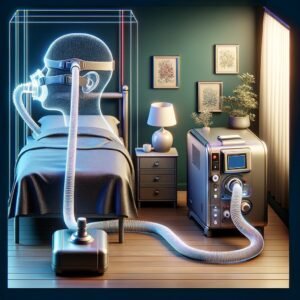
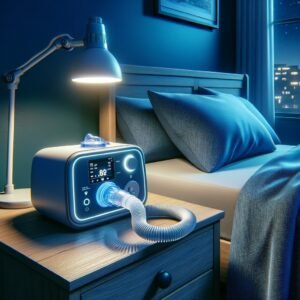
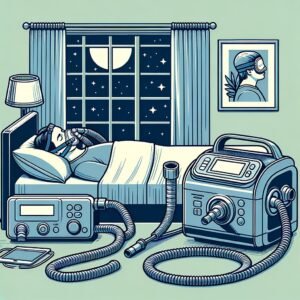
The primary function of a CPAP machine is to deliver a steady stream of pressurized air through a mask worn over the nose or mouth while sleeping. This continuous airflow acts as an internal splint for the upper airway passages, preventing them from collapsing and ensuring uninterrupted breathing throughout the night. By maintaining open airways, these machines help patients achieve deeper and more restorative sleep cycles.
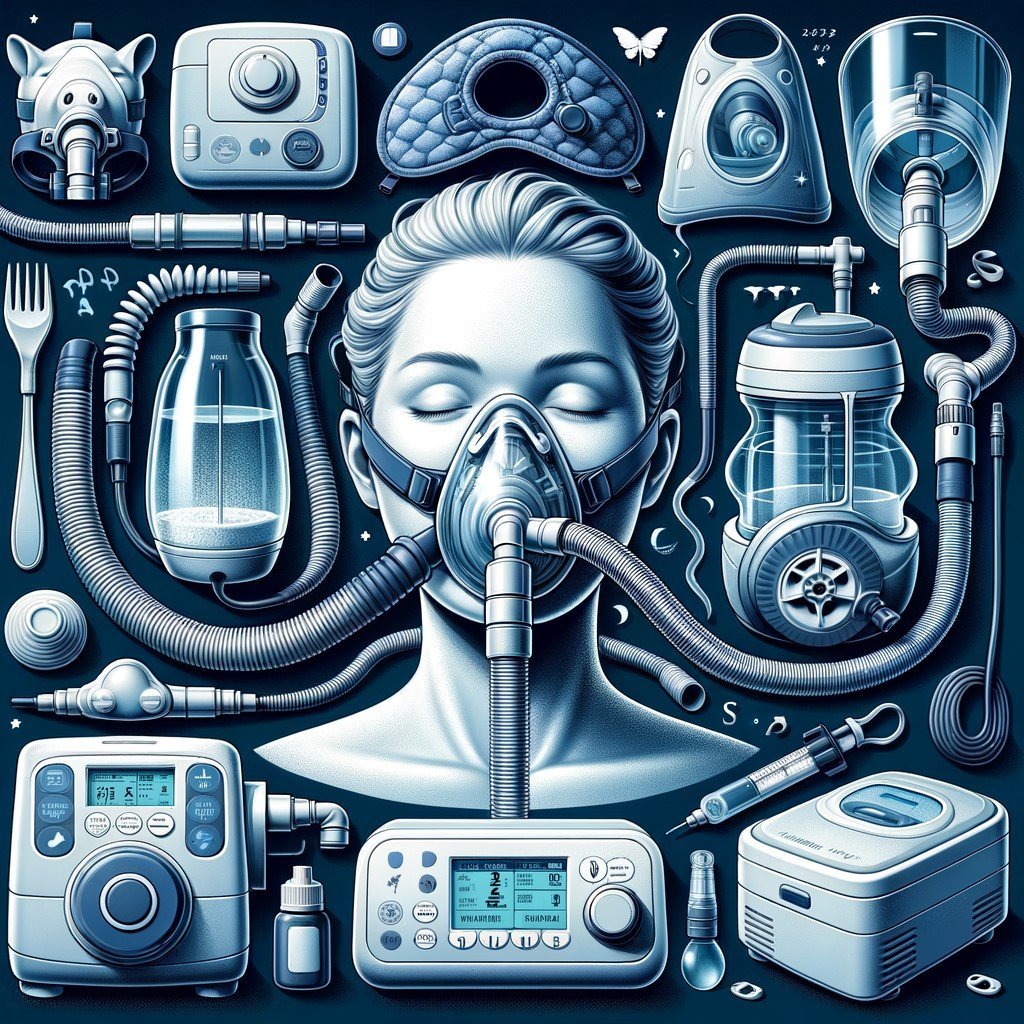
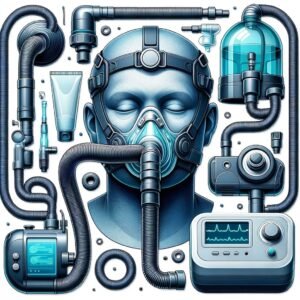
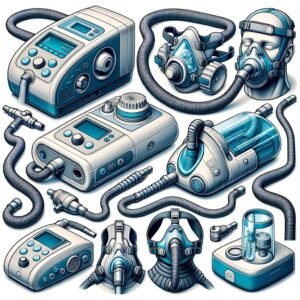
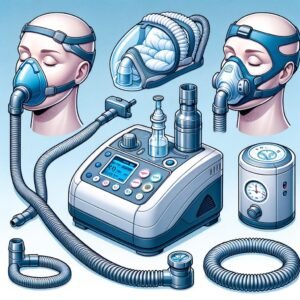
A typical CPAP setup consists of three main components: the motorized unit that generates airflow pressure, flexible tubing connecting this unit to the mask, and the mask itself, available in various styles, such as nasal masks that cover only the nose or full-face masks that cover both the nose and mouth.
Modern CPAP devices often include advanced features such as humidifiers that add moisture to prevent dryness in the nasal passages, adjustable pressure settings explicitly tailored for individual comfort levels prescribed by healthcare providers after thorough evaluation, and data-tracking capabilities that allow users or clinicians to monitor treatment effectiveness.
In addition to standard CPAP therapy, alternative variations exist, including Bi-level Positive Airway Pressure (BiPAP), which provides different inhalation versus exhalation pressures suited particularly well for individuals who find it challenging to adjust comfortably with traditional single-pressure systems. Understanding how these machines operate is crucial when considering effective management strategies aimed at improving overall health outcomes associated with untreated obstructive sleep apnea conditions.
Your Health Journey Deserves the Best—Choose GreatLife Quality.
2. Types of Sleep Apnea Machines and Choosing the Best One for Your Needs
Selecting the appropriate sleep apnea machine is crucial to effectively managing your condition and ensuring restful sleep. The most common type of device prescribed is Continuous Positive Airway Pressure (CPAP), which delivers a steady stream of pressurized air through a mask, keeping your airway open throughout the night. CPAP machines are highly effective for patients with obstructive sleep apnea, significantly reducing the frequency of breathing interruptions.
Another option available is Bi-level Positive Airway Pressure (BiPAP) devices, which offer two distinct pressure settings—one higher setting during inhalation and a lower one during exhalation. This dual-pressure approach can be beneficial for individuals who struggle to exhale against constant pressure or those with more complex respiratory conditions.
For patients experiencing central sleep apnea—a condition where the brain intermittently fails to signal breathing—Adaptive Servo-Ventilation (ASV) machines may be recommended. ASV devices continuously monitor breathing patterns and dynamically adjust airflow, providing tailored support that adapts breath by breath according to the patient’s needs.
When choosing among these options, consider factors such as comfort level, severity of your condition, lifestyle preferences, and any additional health concerns you may have. Consulting closely with your healthcare provider or specialist will help determine the optimal choice, based on clinical evaluations such as overnight polysomnography tests or home-based assessments.
Additionally, modern advancements have introduced portable travel-sized CPAP machines explicitly designed for frequent travelers seeking convenience without compromising therapy effectiveness. These compact units often feature battery-operated capabilities, making them suitable for flights or remote locations that lack reliable power sources.
Ultimately, selecting an appropriate device involves careful consideration guided by professional advice, ensuring personalized treatment that is precisely aligned with individual medical requirements while maximizing comfort levels essential for maintaining consistent nightly use over time.
Start Small, Dream Big—GreatLife Helps You Build It.
3. Benefits and Potential Side Effects of Using a Sleep Apnea Machine
Sleep apnea machines, particularly Continuous Positive Airway Pressure (CPAP) devices, offer numerous benefits for individuals suffering from sleep apnea. Primarily, these machines significantly reduce or eliminate episodes of interrupted breathing during sleep by maintaining an open airway through steady airflow pressure. As a result, users typically experience improved sleep quality, reduced daytime fatigue, enhanced cognitive function, and increased alertness throughout the day. Regular use can also lower the risk of associated health complications such as hypertension, cardiovascular disease, stroke, and diabetes.
In addition to physical health improvements, consistent use of a sleep apnea machine often leads to better emotional well-being, resulting from more restful nights and decreased irritability stemming from chronic exhaustion. Users frequently report improved mood stability and overall quality of life after incorporating CPAP therapy into their nightly routine.
However, despite these significant advantages, some potential side effects may arise when using a sleep apnea machine. Common issues include nasal congestion or dryness in the nose and throat caused by continuous airflow; this discomfort can usually be alleviated with heated humidifiers integrated into modern CPAP systems or saline nasal sprays. Skin irritation around the mask area is another possible concern. Still, it can generally be resolved by adjusting the mask fit or switching to an alternative mask style that better suits the individual’s facial structure.
Additionally, some users initially find it challenging to adapt comfortably to wearing a mask while sleeping due to feelings of claustrophobia or general discomfort; however, gradual acclimation techniques often help overcome these initial hurdles effectively over time. It’s essential for patients experiencing persistent side effects or difficulties adapting to consult healthcare professionals promptly for guidance on adjustments or alternative treatment options that are explicitly tailored to their needs.
4. Cost Considerations: Buying, Renting, or Hiring a Sleep Apnea Machine
When deciding how to acquire a sleep apnea machine, it’s essential to evaluate the financial implications of buying versus renting or hiring. Purchasing your device typically involves higher upfront costs, but it can be more economical in the long run if you require ongoing treatment. Prices for standard CPAP machines generally range from $500 to $3,000, depending on brand reputation, features offered (such as humidification and portability), and technological sophistication.
Renting or hiring a sleep apnea machine may be preferable for individuals who are uncertain about their long-term needs or those seeking temporary solutions during travel or recovery periods. Rental agreements often include maintenance services and equipment replacements at no additional cost; however, monthly rental fees can accumulate significantly over extended periods. Typical rental rates range from $50 to $200 per month, depending on model specifications and provider policies.
Insurance coverage also plays a vital role in determining affordability when acquiring sleep apnea devices. Many health insurance plans partially cover expenses related to purchasing or renting these machines, provided the necessary medical documentation is received from healthcare providers confirming the diagnosis is medically required. It’s advisable to consult with your insurer beforehand regarding eligibility criteria, reimbursement procedures, deductibles, co-payments needed by policyholders, and any restrictions imposed concerning specific brands or models approved under their guidelines.
Take Charge of Your Health—One Supplement at a Time.
5. Common Questions Answered: Usage During Colds, Air Travel, and Without Water
Patients often have questions about the practical use of sleep apnea machines in various situations. One common concern is whether it is safe or advisable to continue using a Continuous Positive Airway Pressure (CPAP) machine during a cold or respiratory infection. Generally, CPAP usage can still be beneficial during mild colds; however, patients should maintain rigorous hygiene practices by regularly cleaning masks and tubing to prevent bacterial buildup. If nasal congestion becomes severe, consulting with a healthcare provider about temporary adjustments in humidity settings or medication may help alleviate discomfort.
Another frequently asked question pertains to air travel with sleep apnea devices. Most airlines permit passengers to carry their CPAP machines onboard as medical equipment without counting them toward luggage allowances. Travelers should inform the airline in advance and have documentation, such as prescriptions or letters from physicians, confirming the medical necessity of their travel. Additionally, portable battery packs approved for air travel can ensure uninterrupted therapy on long flights where power outlets may not be available.
Lastly, users often wonder if operating their device without water in the humidifier chamber poses any risks or reduces effectiveness. While running a CPAP machine without water will not damage the unit itself nor significantly compromise its primary function of delivering pressurized airflow, it could lead to dryness and irritation in the nasal passages over time due to reduced humidity levels. To avoid discomfort associated with dry airways, individuals are encouraged to either refill humidifiers consistently or discuss alternative solutions with their healthcare providers when traveling or facing situations where distilled water may be limited.
Feel the Difference of Tailored Wellness—Get Started Now.
6. Accessories, Maintenance, and Replacement Options for Your Device
Proper maintenance and the use of suitable accessories are crucial to ensure the optimal performance and longevity of your sleep apnea machine. Regular cleaning is critical; masks, tubing, and humidifier chambers should be cleaned weekly with mild soap and warm water to prevent bacterial growth or mold accumulation. Specialized CPAP wipes can also be used daily for quick mask cleaning between deeper cleans.
Accessories such as heated hoses can enhance comfort by reducing condensation buildup within the tubing, while chin straps help maintain proper mouth closure during sleep therapy. Additionally, nasal pads or cushions can alleviate discomfort caused by prolonged mask usage. Travel cases specifically designed for sleep apnea machines protect your device during transportation, ensuring it remains secure when traveling.
Replacement schedules vary depending on the component: masks typically require replacement every three to six months due to wear affecting their seal effectiveness; headgear may need replacing approximately every six months as elasticity diminishes over time; filters should generally be replaced monthly or according to manufacturer guidelines; tubing usually lasts around three months before needing replacement due to potential damage or hygiene concerns.
Regularly inspecting your equipment for signs of deterioration, such as cracks in masks or discoloration in tubes, is essential in maintaining effective treatment outcomes. Many manufacturers offer subscription-based programs that provide automatic delivery of replacement parts at recommended intervals, significantly simplifying upkeep responsibilities.
By proactively managing accessories selection alongside diligent maintenance practices and timely replacements based on manufacturer recommendations, users can maximize both comfort levels during therapy sessions and overall durability of their sleep apnea devices.
7. Special Considerations: Devices for Infants, Children, and Portable Travel Solutions
When addressing sleep apnea in infants and children, specialized equipment is essential due to their unique physiological needs. Pediatric sleep apnea machines are specifically designed with lower pressure settings and smaller masks to ensure comfort and safety for younger patients. These devices often feature child-friendly designs that reduce anxiety during use, promoting better compliance from young users. It is crucial to consult a pediatric sleep specialist who can recommend the appropriate machine type, mask size, and pressure settings tailored precisely to your child’s condition.
Portable travel solutions have also become increasingly important for individuals of all ages managing sleep apnea while on the go. Compact CPAP (Continuous Positive Airway Pressure) machines offer convenience without compromising effectiveness, as they’re lightweight and easy to pack, making them suitable alternatives for frequent travelers or those requiring overnight stays away from home. Many portable models come equipped with battery-operated options or universal power adapters compatible with international outlets—features particularly beneficial when traveling abroad or camping outdoors.
Additionally, travel-sized humidifiers integrated into these compact units help maintain optimal humidity levels during usage, ensuring user comfort even in varying climates or altitudes encountered during trips. When selecting a portable device solution, consider factors such as weight limitations imposed by airlines’ carry-on policies, as well as ease-of-use features like intuitive controls and quick setup capabilities.
Ultimately, choosing an appropriate pediatric-specific model or a reliable portable system ensures consistent therapy adherence, regardless of age group considerations or lifestyle demands associated with frequent mobility requirements, thus significantly improving overall quality-of-life outcomes related directly to effective management strategies involving obstructive breathing disorders, such as Sleep Apnea Syndrome (SAS).
Your Health Journey Deserves the Best—Choose GreatLife Quality.
Conclusion:
Effectively managing sleep apnea requires careful consideration of the right equipment suited to your specific circumstances—be it standard CPAP devices or specialized alternatives like BiPAP or ASV machines. By thoroughly understanding each device’s functionality, along with its associated benefits and potential challenges, including the costs involved in buying versus renting, you can confidently choose an option that aligns best with both medical recommendations and personal preferences. Additionally, addressing common concerns regarding everyday use during colds or air travel ensures uninterrupted treatment effectiveness wherever life takes you.
Regular maintenance practices, combined with timely accessory replacements, further ensure optimal performance from your chosen device over time. Ultimately, recognizing the unique needs of pediatric patients underscores the importance of personalized care approaches for all age groups affected by this condition. With proper knowledge at hand, coupled with professional guidance from healthcare providers specializing in sleep disorder management strategies, you’re well-equipped on your journey toward improved restful nights, ultimately leading to enhanced overall health outcomes in the long term.