Understanding the Grip of Opioid Addiction
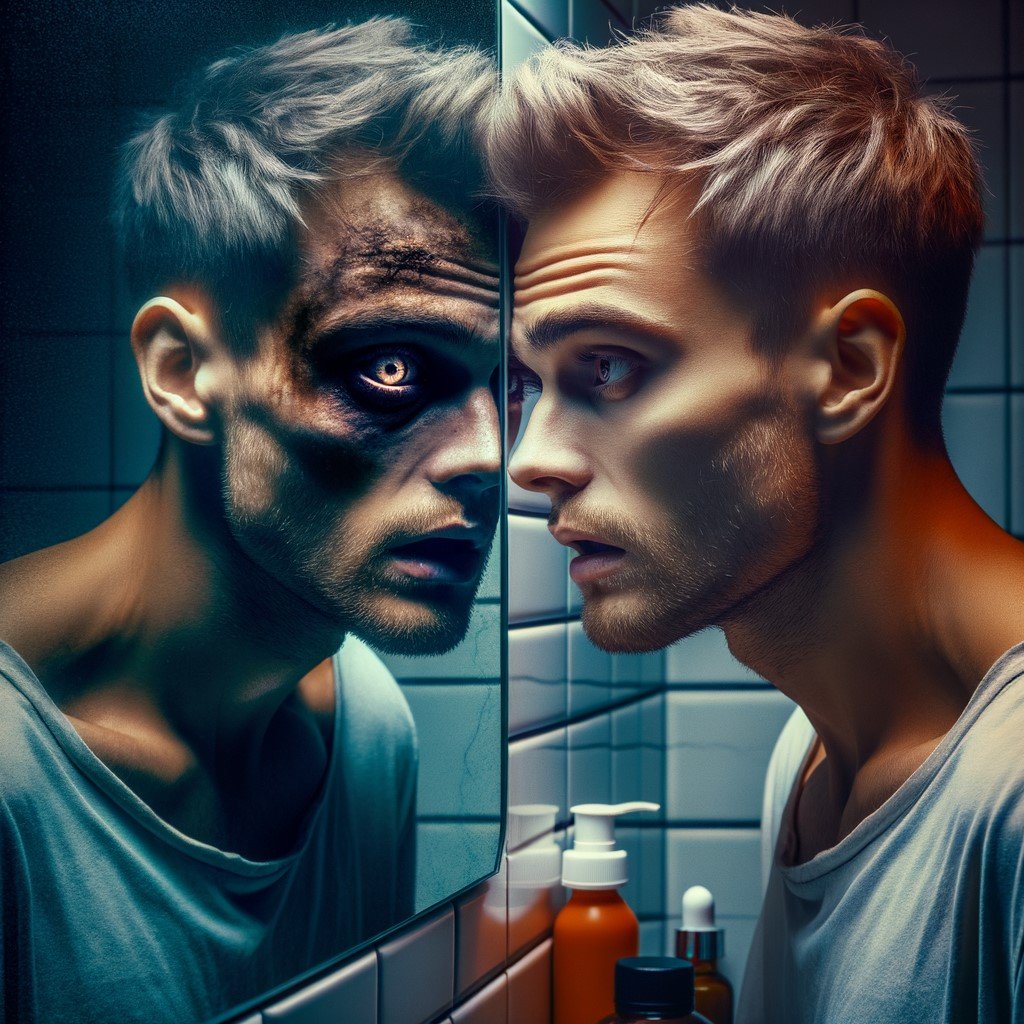
It’s not just the body that gets hooked—opioid addiction weaves itself into the mind and emotions, too. What might start as pain relief or a fleeting escape can silently morph into dependency. And before long, it feels less like a choice and more like a trap.
Why Opioids Sink Their Hooks So Deep
Opioids tap into the brain’s reward system like a master key. They flood you with feel-good chemicals, making pain vanish and pleasure surge. But with repeated use, your brain stops making those chemicals on its own. Soon, you’re chasing a fleeting normalcy rather than a high.
More Than Just Physical Cravings
Yes, the withdrawal symptoms are brutal—vomiting, chills, muscle pain. But the psychological grip often runs deeper. Guilt, self-loathing, and a nagging belief that recovery is out of reach make escape feel impossible.

The First Step: Admitting Something Has to Change
Before any pill is skipped or detox is started, there’s a quieter, more powerful step: admitting you need help. Not to others, necessarily—but to yourself.
The War Inside: Denial vs. Honesty
Denial is comforting. It lets you believe you’re still in control. But recovery only begins when you confront the truth, raw and unfiltered. You don’t need to hit “rock bottom”—you just need a moment of clarity that says: I want better.
You Don’t Have to Do It Alone
Healing happens faster when you’re seen. Whether it’s one trusted friend, a counselor, or a recovery group, connection is oxygen. It doesn’t have to be loud—it just has to be real.

Medication Isn’t Weakness—It’s Strategy
There’s no badge of honor for suffering through withdrawal cold turkey. Medication-assisted treatment (MAT) is a lifeline, not a crutch.
Tools That Help, Not Replace, Your Willpower
Suboxone helps ease withdrawal and blocks misuse.
Methadone is longer-acting and stabilizes symptoms.
Naltrexone stops opioids from producing any high at all.
Each option comes with its own pros and cons—but all are evidence-based and life-saving.
Finding the Right Program for You
You don’t have to go to a luxury rehab to get real help. Look for places that offer:
✔ Medical detox
✔ Therapy for underlying trauma
✔ Aftercare and relapse prevention
Some are residential. Others let you stay at home. The best one is the one you’ll stick with.
Your Body Deserves Recovery, Too
Getting sober isn’t just about avoiding a pill. It’s about rebuilding what opioids eroded—your strength, your sleep, your joy.
Eat Like You Want to Heal
Opioids rob your body of nutrients. Whole foods, hydration, and supplements like magnesium or omega-3s help stabilize mood and fight fatigue.
Move Your Body, Shift Your Brain
Exercise resets your internal chemistry. Even a 10-minute walk releases endorphins and rewires stress pathways. It’s not about six-packs—it’s about sanity.

Ancient Tools for Modern Recovery
Meditation trains your mind to pause before reacting. Acupuncture may ease cravings. Herbal support—like ashwagandha or valerian—can soothe nerves and support sleep. These aren’t cures, but they’re potent allies.
Staying Sober in a World Full of Triggers
Recovery doesn’t end when the last pill wears off. Staying clean is about preparation, not perfection.
Know Your Triggers Before They Know You
Stress, certain places, even music—these can all reopen the door to relapse. Your job? Build a toolbox: grounding exercises, breathing techniques, rituals that anchor you when temptation whispers.

Find Your Tribe—It Changes Everything
Whether it’s NA, SMART Recovery, or an online thread at 2 am, finding people who get it makes relapse less likely. They’ll call you out. They’ll lift you up. And they’ll remind you: You’re not crazy—you’re healing.
Real Questions, Real Answers
Q: Can I detox on my own?
A: You can, but it’s risky. Medical supervision minimizes pain and danger.
Q: What if I relapse?
A: Then you get back up. Recovery isn’t linear. One mistake doesn’t erase progress.
Q: When will I feel normal again?
A: The physical pain fades first. Emotional balance takes longer—weeks, months. But each day gets clearer.
Q: Is it possible to recover without meds?
A: For some, yes. But meds can reduce suffering and boost your odds. It’s not about pride—it’s about staying alive.
Click Below For Products / Tools / Resources:
Substance Abuse and Mental Health Services Helpline (SAMHSA): 1-800-662-HELP
FindTreatment.gov: National directory of affordable rehab centers
“Rewired” by Erica Spiegelman: Excellent book for mindset recovery
Sober Grid App: Social network for people in recovery
Milk Thistle Supplement: May support liver detox after long-term opioid use
Online Support Groups: Reddit’s r/OpiatesRecovery, SMART Recovery Zoom meetings