

Sleep apnea is a prevalent yet often overlooked sleep disorder characterized by repeated interruptions in breathing during sleep, resulting in fragmented and non-restorative sleep. One of the most troubling consequences of untreated sleep apnea is excessive daytime drowsiness, which can significantly impact daily life and pose serious safety risks.
Individuals with this condition often struggle to stay awake, even during routine activities such as working, driving, or simply sitting upright. Understanding the relationship between sleep apnea and unexpected episodes of falling asleep is crucial for recognizing early warning signs, managing symptoms effectively, and seeking timely professional intervention.

Your Path to Financial Freedom and Health Starts Here—Join Us.
1. What is Sleep Apnea and How Does it Lead to Excessive Daytime Sleepiness?
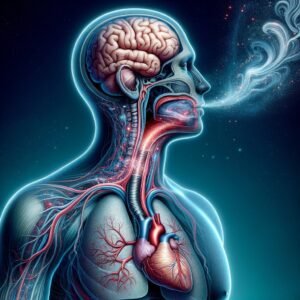
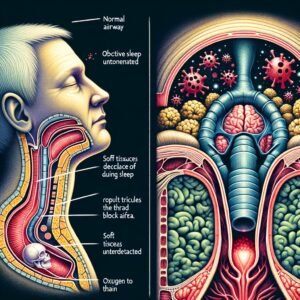
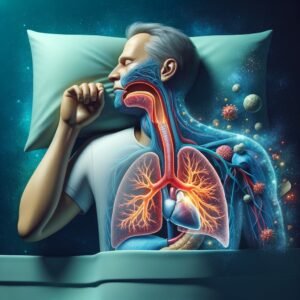
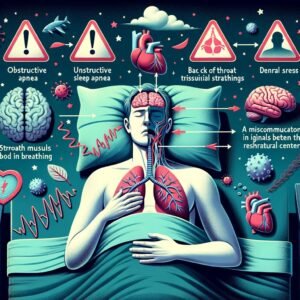
Sleep apnea is a severe sleep disorder characterized by repeated interruptions in breathing during sleep, typically lasting from several seconds up to a minute or more. These pauses occur due to either an obstruction of the airway (obstructive sleep apnea) or a failure of the brain’s respiratory control center (central sleep apnea). Obstructive sleep apnea, the most common form, arises when throat muscles relax excessively during rest, causing partial or complete blockage of airflow.
Each interruption prompts brief awakenings—often unnoticed by individuals—that disrupt standard sleeping patterns and prevent restful deep-stage sleep. As these episodes accumulate throughout the night, they significantly reduce the overall quality and duration of restorative rest. Consequently, individuals with untreated sleep apnea frequently experience excessive daytime drowsiness as their bodies attempt to compensate for chronic nighttime disturbances.
Excessive daytime fatigue manifests as persistent tiredness despite sufficient sleep time at night. Individuals may struggle with concentration difficulties, impaired memory function, irritability, reduced productivity at work or school, and even mood disorders such as depression or anxiety. Additionally, this constant state of exhaustion increases susceptibility to unintended naps throughout daily activities, including driving, which poses significant safety risks.
In essence, excessive daytime drowsiness associated with sleep apnea results directly from fragmented nighttime rest caused by frequent breathing disruptions. Without proper diagnosis and treatment interventions aimed at restoring uninterrupted respiration during sleep periods—and thus improving overall quality—the debilitating effects on alertness levels will persistently impact personal health outcomes and professional performance capabilities over time.
Activate the Power of Personalized Wellness—Sign On Today!
2. Falling Asleep Quickly: A Common Warning Sign of Undiagnosed Sleep Apnea
Rapidly falling asleep during the day, especially in situations where alertness is typically expected, can be a significant indicator of undiagnosed sleep apnea. Individuals experiencing untreated sleep apnea often report feeling excessively sleepy. They may find themselves dozing off quickly when sitting quietly or engaging in passive activities such as reading, watching television, or attending meetings. This rapid onset of sleepiness occurs because disrupted nighttime breathing patterns prevent restful and restorative sleep cycles from occurring consistently.
The speed at which an individual falls asleep during daytime hours can serve as a valuable diagnostic clue for healthcare professionals evaluating potential cases of obstructive sleep apnea (OSA). The Epworth Sleepiness Scale (ESS), a widely used clinical tool, assesses the likelihood of individuals falling asleep rapidly in various everyday scenarios. High scores on this scale strongly correlate with underlying conditions, such as obstructive sleep apnea (OSA), and highlight the need for further medical evaluation.
Moreover, quickly drifting into unintended naps throughout the day significantly impacts productivity levels at work or school and increases the risks associated with daily tasks that require sustained attention, such as driving or operating machinery. It’s crucial to recognize that frequent episodes of sudden drowsiness are not merely signs of fatigue but rather symptoms indicative of deeper health concerns that require prompt investigation.
Recognizing this warning sign early allows individuals to seek timely diagnosis and intervention from qualified medical professionals specializing in sleep disorders. Addressing these symptoms proactively through appropriate treatments can substantially improve overall quality-of-life outcomes by restoring healthy sleeping patterns and reducing daytime drowsiness episodes effectively.
Level Up Your Life with Proven Wellness and Financial Strategies—Act Now!
3. Sitting Up, Standing Up, or at Work—Why Individuals with Sleep Apnea Struggle to Stay Awake
Individuals with sleep apnea often experience significant difficulty maintaining alertness during routine daily activities, even when sitting or standing upright. This persistent struggle primarily arises from the fragmented and poor-quality sleep caused by repeated interruptions in breathing throughout the night. Each episode of disrupted breathing triggers brief awakenings that prevent individuals from reaching deep restorative stages of sleep necessary for optimal daytime functioning.
As a result, people with untreated sleep apnea often find themselves battling overwhelming fatigue and drowsiness during waking hours. Tasks that require sustained attention or involve monotonous routines can exacerbate this issue significantly, increasing the likelihood of unintentionally falling asleep in inappropriate settings, such as workplaces or public spaces. The body’s natural response to chronic exhaustion is microsleep episodes—brief involuntary periods of unconsciousness lasting several seconds, which may occur without warning and pose serious safety risks.
Moreover, impaired cognitive function resulting from inadequate rest further compounds these challenges by reducing concentration levels and reaction times. Employees affected by undiagnosed or unmanaged sleep apnea may experience decreased productivity, increased errors in judgment, and heightened risk for workplace accidents due to their diminished ability to remain vigilant.
Addressing this condition promptly through proper diagnosis and treatment is crucial not only for personal health but also for ensuring professional performance remains uncompromised. Employers should be aware of potential signs among staff members who consistently exhibit excessive daytime tiredness despite adequate nighttime rest opportunities. Early intervention can mitigate adverse outcomes associated with uncontrolled daytime somnolence, which is often linked directly to underlying obstructive respiratory disturbances characteristic of sleep apnea disorders.
4. The Hidden Danger: Falling Asleep While Driving Due to Untreated Sleep Apnea
Untreated sleep apnea significantly elevates the risk of falling asleep behind the wheel, posing serious dangers not only to affected individuals but also to other drivers and pedestrians. Excessive daytime drowsiness resulting from disrupted nighttime breathing patterns can severely impair a driver’s alertness, reaction time, and overall cognitive function. Studies have shown that individuals with untreated sleep apnea are several times more likely to be involved in motor vehicle accidents compared to those without this condition.
The primary reason for increased accident risk is the chronic fatigue associated with sleep apnea. Frequent interruptions in breathing during sleep prevent sufferers from achieving restful, restorative sleep, leading them into states of microsleep—brief episodes lasting seconds or minutes, during which an individual involuntarily falls asleep without being aware of it. Microsleeps occurring while driving can result in catastrophic consequences due to loss of vehicle control or delayed responses when encountering road hazards.
Moreover, many people underestimate their level of impairment caused by daytime drowsiness related to untreated sleep apnea. They may attempt various coping mechanisms, such as opening windows or turning up the music volume; however, these strategies provide minimal short-term relief and fail to address the underlying issues that contribute directly to impaired driving performance.
Recognizing this hidden danger underscores the importance of early detection and treatment intervention for individuals experiencing symptoms consistent with obstructive sleep apnea syndrome (OSAS). Timely diagnosis followed by appropriate medical management—including continuous positive airway pressure (CPAP) therapy—can substantially reduce excessive daytime somnolence and enhance driver safety on roads nationwide.
Take Charge of Your Health—One Supplement at a Time.
5. Recognizing Early Symptoms of Sleep Apnea-Related Fatigue in Daily Life
Identifying early symptoms of sleep apnea-related fatigue is crucial for timely intervention and reducing associated risks. Individuals experiencing this condition often report persistent tiredness, even after seemingly adequate hours of sleep. This chronic fatigue manifests as difficulty concentrating on routine tasks, impaired memory recall, and reduced cognitive performance throughout the day. Additionally, frequent morning headaches or waking up with a dry mouth can indicate disrupted breathing patterns during sleep.
Another common symptom includes noticeable mood changes such as increased irritability, anxiety, or depression due to prolonged exhaustion and insufficient restorative rest. Individuals affected by sleep apnea may also experience decreased motivation and productivity at work or school, as their energy levels remain consistently low despite adequate rest attempts.
Physical signs should not be overlooked; individuals may unintentionally doze off during sedentary activities like watching television or reading a book. Friends or family members may notice loud snoring, accompanied by pauses in breathing, while the person is sleeping, which is an essential indicator that warrants medical attention.
Recognizing these subtle yet impactful symptoms early allows individuals to seek professional evaluation promptly before daytime drowsiness escalates into dangerous situations such as falling asleep unexpectedly while driving or operating machinery. Awareness and proactive monitoring are essential steps toward managing sleep apnea effectively and maintaining overall health and safety in daily life activities.
Your Health Journey Deserves the Best—Choose GreatLife Quality.
6. Effective Strategies for Managing Daytime Drowsiness Caused by Sleep Apnea
Managing daytime drowsiness caused by sleep apnea requires a multifaceted approach aimed at enhancing overall sleep quality and maintaining alertness throughout the day. One of the most effective strategies involves adhering to a consistent sleep schedule, which means going to bed and waking up at the same time every day, even on weekends. This consistency helps regulate the body’s internal clock, promoting deeper and more restorative sleep.
Additionally, individuals should create an optimal sleeping environment by ensuring their bedroom is quiet, dark, calm, and comfortable. Reducing exposure to electronic devices before bedtime can also significantly enhance sleep quality by minimizing disruptions caused by blue light emissions that interfere with melatonin production.
Lifestyle modifications play a crucial role in managing daytime fatigue associated with sleep apnea. Regular physical activity has been shown to improve both nighttime restfulness and daytime energy levels; however, vigorous exercise should be avoided close to bedtime, as it may negatively impact the ability to fall asleep promptly. Dietary adjustments such as limiting caffeine intake, particularly later in the day, and avoiding heavy meals or alcohol consumption before bedtime can further support restful sleep patterns.
For those already diagnosed with obstructive sleep apnea (OSA), strict adherence to prescribed treatments like continuous positive airway pressure (CPAP) therapy is essential for reducing symptoms of excessive tiredness during waking hours. CPAP compliance ensures airways remain open during sleep cycles, thereby decreasing interruptions in breathing that cause fragmented rest.
Finally, brief scheduled naps lasting no longer than 20 minutes can offer temporary relief from overwhelming fatigue without disrupting nighttime sleep routines when strategically timed earlier in the afternoon, rather than closer to evening hours.
7. Seeking Professional Help: Diagnosis and Treatment Options for Improved Alertness
Seeking professional medical assistance is crucial for individuals experiencing excessive daytime drowsiness due to sleep apnea, as accurate diagnosis and targeted treatment can significantly enhance alertness and overall quality of life. Initially, healthcare providers typically recommend a comprehensive sleep evaluation, known as polysomnography, which is conducted overnight in a specialized sleep center or through at-home testing devices. This diagnostic procedure monitors breathing patterns, oxygen levels, heart rate, brain activity, and muscle movements during sleep to accurately identify the presence and severity of sleep apnea.
Once diagnosed with sleep apnea, patients have several effective treatment options available to alleviate symptoms and reduce daytime fatigue. Continuous Positive Airway Pressure (CPAP) therapy remains the gold standard in managing obstructive sleep apnea; it involves wearing a mask connected to a machine that delivers steady airflow throughout the night to maintain open airways. Alternative treatments include oral appliances custom-made by dental professionals, explicitly designed to reposition the jaw or tongue during sleep, thus preventing airway obstruction.
In some cases where anatomical factors contribute significantly to airway blockage or when conservative therapies prove insufficiently effective, surgical interventions may be considered. Procedures such as uvulopalatopharyngoplasty (UPPP), tonsillectomy, nasal surgery or even advanced techniques like hypoglossal nerve stimulation offer viable solutions tailored individually based on patient-specific anatomy.
Regardless of chosen treatment modality—whether CPAP therapy alone or combined approaches involving lifestyle modifications such as weight loss programs—the guidance provided by qualified healthcare professionals ensures optimal outcomes in reducing excessive daytime drowsiness associated with untreated sleep apnea while enhancing daily productivity and safety standards across various activities including driving tasks requiring sustained attention levels.
Unlock Peak Performance—Personalized Nutrition Starts Here.
Conclusion:
Recognizing the link between sleep apnea and excessive daytime drowsiness is essential not only for improving quality of life but also for preventing potentially dangerous situations caused by sudden episodes of unintended sleep, particularly while driving or performing tasks requiring sustained attention. By identifying early symptoms, adopting effective management strategies such as lifestyle adjustments and adhering to CPAP therapy, and consulting healthcare professionals promptly for accurate diagnosis and tailored treatment plans, individuals suffering from this condition can regain control over their alertness levels. Ultimately, addressing untreated sleep apnea proactively ensures greater personal health outcomes along with enhanced safety in everyday activities.