

The Silent Struggle: Why Healthcare Feels Out of Reach
If you’ve ever skipped a doctor’s visit because of the price tag, you’re not alone. In America, it’s not unusual to feel like basic healthcare is a luxury. But while the system can feel overwhelming, the truth is, there are more options than you might think. Whether you’re uninsured, underpaid, or simply in a tough spot, this guide is built to show you there *is* a way forward.
1. Community Clinics: Healthcare That Meets You Where You Are
Community clinics—often federally funded—serve people who can’t afford traditional care. These centers offer everything from physicals and mental health counseling to dental exams and vaccinations. Costs are usually adjusted based on your income, sometimes even for free.
Find one nearby: Visit [HRSA’s locator](https://findahealthcenter.hrsa.gov).
Insider tip: Ask about walk-in hours and, if needed, translation services.

2. Medicaid & State-Based Coverage: Don’t Assume You Don’t Qualify
Medicaid can feel like a bureaucratic maze—but it’s one worth navigating. In many states, income limits have shifted, meaning you might qualify even without dependents.
What’s covered? Doctor visits, ER services, prescriptions, pregnancy care, mental health, and more.
Start here: Apply via Healthcare.gov (https://www.healthcare.gov/medicaid-chip/)
3. Teaching Hospitals: World-Class Care, Lower Costs
Hospitals affiliated with universities are a hidden gem. You’ll often be treated by medical students under supervision from top doctors. The result? Quality care at significantly reduced prices—and sometimes, for free.
Ask about: Charity care programs, which reduce or waive bills for income-eligible patients.

4. Telehealth for Tight Budgets: Medical Care from Your Couch
Telehealth isn’t just for the tech-savvy—it’s a growing lifeline for people in rural or underserved areas. Many local clinics now offer remote consultations, and some nonprofits provide free or low-cost virtual visits.
Common services: Mental health counseling, follow-ups, chronic disease management.
Look for: Programs through local clinics or health departments.
5. Nonprofit & Faith-Based Clinics: Compassion Without Conditions
These clinics are community-run, often staffed by volunteer professionals. Whether you’re uninsured or undocumented, they typically provide care with no questions asked—and no judgment.
Services may include: Physical exams, women’s health, child immunizations, and chronic condition checkups.
Important: No SSN or insurance required.
6. Health Discount Cards: The Budget-Friendly Backup Plan
Discount cards aren’t insurance—but they can help cut costs drastically. Think of them as coupons for healthcare. Some programs offer savings on doctor visits, labs, dental, and even vision services.
Trusted sources:
NeedyMeds (https://www.needymeds.org)
RxAssist (https://www.rxassist.org)
Warning: Avoid any card that charges steep signup fees.
7. Prescription Savings Apps: The $10 Solution
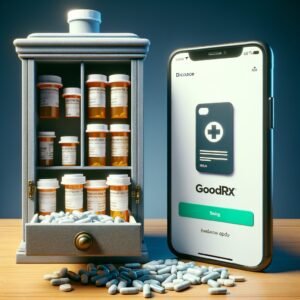
If you’ve ever been floored by the cost of medication, try this: type your prescription into a discount app like GoodRx, SingleCare, or WellRx. You’ll often find pharmacy deals that slash the price—sometimes by 80% or more.
Pro tip: Prices vary wildly, so compare a few local pharmacies before you go.

8. Federal & Public Health Programs: Support That’s Already There
Several federal programs exist specifically to help with cancer screenings, family planning, maternal care, and more. They’re just not always advertised well.
For women: Look into Title X clinics or the Breast & Cervical Cancer Detection Program.
For veterans: Check eligibility for VA health care.
9. Ask. Always. Payment Plans & Sliding Scales Are Everywhere
You don’t need a coupon or a program to get help—sometimes all it takes is a question. Many clinics and hospitals offer reduced fees if you simply ask. Payment plans are more common than you think.
Try this script:
“Hi, I don’t have insurance, and I’m on a limited income. Is there a sliding scale or payment plan available?”
Saying this up front can save you hundreds—or more.

FAQs That Matter
Can I get help without a green card or SSN?
Yes. Many nonprofit clinics don’t ask for documentation or citizenship status.
What if I got denied for Medicaid?
Appeal it. And while you wait, try a community clinic or check if your local hospital offers financial aid.
How can I get affordable dental or vision care?
Look into dental schools, community events, and nonprofit vision programs. These often offer full services at deeply discounted rates.
Products / Tools / Resources
HRSA Health Center Locator (https://findahealthcenter.hrsa.gov)
Healthcare.gov Medicaid Application (https://www.healthcare.gov/medicaid-chip)
GoodRx App (https://www.goodrx.com)
NeedyMeds Discount Cards (https://www.needymeds.org)
RxAssist (https://www.rxassist.org)
FreeClinics.com (https://www.freeclinics.com)
SAMHSA Behavioral Health Finder (https://findtreatment.samhsa.gov)