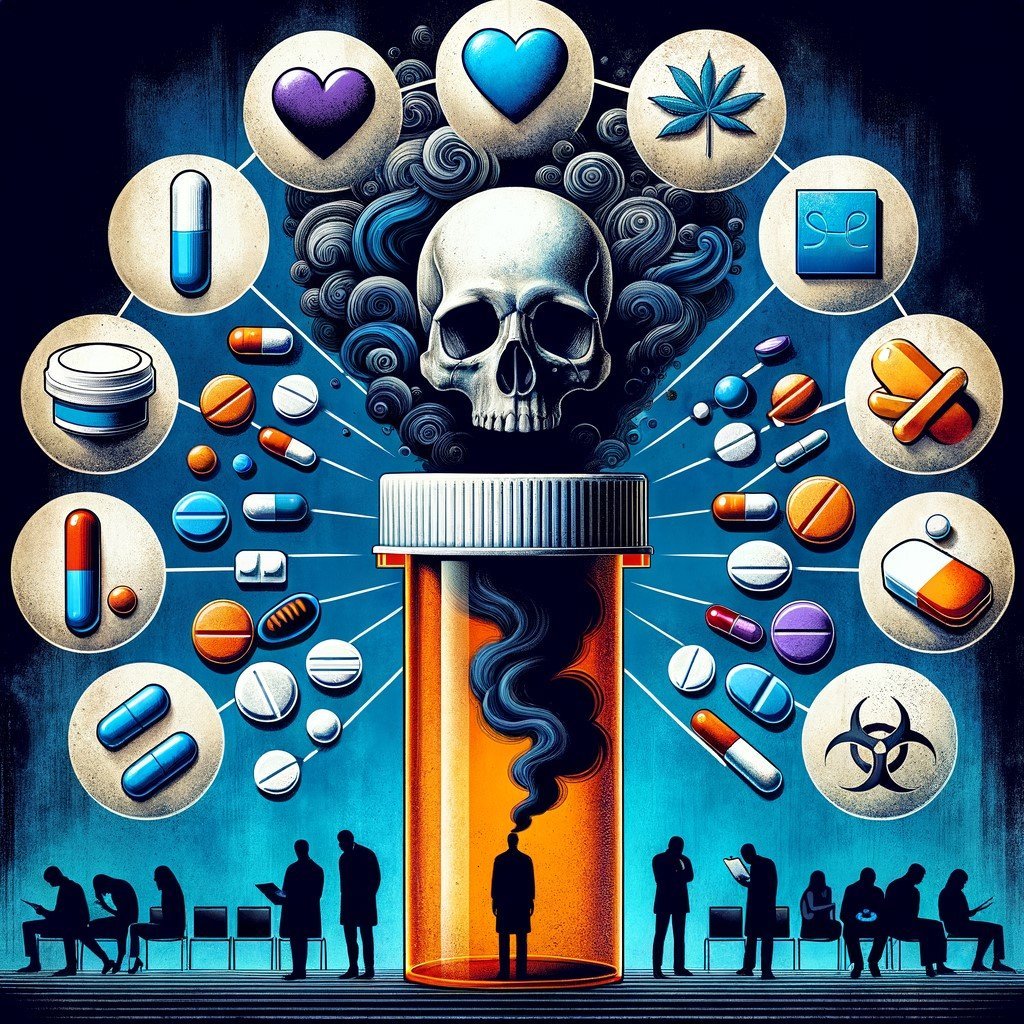
Prescription drug misuse has emerged as a critical public health issue, posing significant risks to individuals and communities alike. Prescription medications play an essential role in treating a myriad of health conditions, but we can’t overlook their potential for abuse and addiction.
“The Hidden Dangers of Prescription Drug Misuse: Recognizing, Understanding, and Preventing Addiction” reviews the complexities surrounding the misuse of these medications, exploring the definitions, implications, and far-reaching consequences of such behavior.
By identifying the most addictive and commonly abused prescription drugs, this work emphasizes the need to implement immediate awareness and proactive measures. Recognizing the signs of misuse is pivotal for early intervention, while understanding the health and social impacts underscores the necessity for comprehensive prevention strategies.
Additionally, distinguishing between long-term use and misuse clarifies when prescription medication transitions from a therapeutic aid to a potential risk. Through real-life examples and an analysis of sales trends, the discussion highlights the importance of multifaceted approaches that involve healthcare providers, policymakers, and communities in combating this pervasive issue.
This introduction sets the stage for a thorough examination of prescription drug misuse, aiming to inform and equip stakeholders with the knowledge necessary to address and mitigate addiction effectively.
Nourish Your Body, Fuel Your Potential—Start with GreatLife Supplements.
1. Understanding Prescription Drug Misuse: Definitions and Implications
Prescription drug misuse refers to the use of medication in ways not intended by the prescribing healthcare professional. This encompasses taking higher doses than prescribed, using the medication more frequently, or consuming someone else’s prescription.
Additionally, misuse includes taking drugs for recreational purposes or self-treating conditions for which the medication was not prescribed. The implications of prescription drug misuse are extensive, impacting individual health, societal structures, and the healthcare system at large.
On an individual level, misuse of prescription drugs can lead to serious health consequences, including the development of tolerance, dependence, and addiction. For instance, opioids taken in non-prescribed ways can cause respiratory depression, cognitive impairments, and a heightened risk of overdose.
Similarly, stimulants intended for conditions like ADHD, when misused, can result in cardiovascular issues, anxiety, and paranoia. Adverse effects on mental health can extend beyond physical health, resulting in mood disorders, heightened stress, and a reduction in overall well-being.
Societally, prescription drug misuse contributes to broader public health crises, such as the opioid epidemic, which strains medical resources and increases the incidence of drug-related accidents and fatalities.
It also has economic repercussions, including higher healthcare costs, loss of productivity, and increased burden on social services. Families and communities experience the social fallout, which may include broken relationships, financial instability, and heightened rates of crime associated with drug-seeking behavior.
From a healthcare system perspective, prescription drug misuse challenges the effectiveness of medical treatments and necessitates more rigorous prescribing practices and monitoring mechanisms. Healthcare providers must balance the need to manage legitimate medical conditions with the risk of contributing to potential misuse and diversion of medications. This situation demands enhanced education for both prescribers and patients about the risks associated with certain medications and the importance of adhering to prescribed regimens.
Understanding the definitions and implications of prescription drug misuse is essential for developing comprehensive prevention and intervention strategies. Addressing this issue requires a multifaceted approach that involves healthcare professionals, policymakers, educators, and communities working together to promote safe medication practices and reduce the incidence of medication misuse.
Support Your Immune System Naturally—Explore Our Health Essentials Today.
2. Identifying the Most Addictive and Abused Prescription Medications
Prescription drug misuse encompasses a wide range of medications, each with varying potential for addiction and abuse. Understanding which drugs are most susceptible to misuse is crucial for prevention and intervention efforts. Among the most commonly abused prescription medications are opioids, benzodiazepines, stimulants, and certain sedatives.
Opioids are perhaps the most notorious for their high addiction potential. Medications such as oxycodone (OxyContin), hydrocodone (Vicodin), morphine, and fentanyl are prescribed to manage moderate to severe pain.
These drugs act on the central nervous system to produce pain relief and euphoria, which can lead to psychological and physical dependence. The misuse of opioids has been a significant driver of the current opioid epidemic, contributing to widespread addiction and numerous overdose deaths.
Benzodiazepines like alprazolam (Xanax), diazepam (Valium), and lorazepam (Ativan) are primarily prescribed for anxiety, insomnia, and seizures. While effective for short-term use, these medications can cause tolerance and dependence when used over extended periods. Abuse of benzodiazepines can lead to cognitive impairments, respiratory depression, and an increased risk of fatal overdose, especially when combined with other central nervous system depressants.
Stimulants such as amphetamine (Adderall) and methylphenidate (Ritalin) are prescribed for attention deficit hyperactivity disorder (ADHD) and certain sleep disorders. These medications enhance concentration and alertness but have a high potential for abuse, particularly among individuals seeking cognitive enhancement or recreational effects. Chronic misuse of stimulants can result in cardiovascular issues, psychological dependence, and severe mental health disturbances.
Sedatives and muscle relaxants, including drugs like carisoprodol (Soma) and zolpidem (Ambien), are also subject to misuse. These medications are intended to alleviate muscle spasms and promote sleep, respectively, but their depressant effects can lead to dependency and risky behaviors when abused.
In addition to these categories, other prescription medications, such as certain antidepressants and antipsychotics, may also be misused, though to a lesser extent. The common thread among these drugs is their ability to alter mood, perception, and physiological states, making them attractive targets for misuse.
Effective identification and regulation of these high-risk medications are essential components in combating prescription drug misuse. Healthcare providers must carefully assess the necessity of these medications, monitor their use, and educate patients about the risks associated with their potential for addiction.
Say Goodbye to Fatigue—Feel the GreatLife Energy Difference.
3. Recognizing the Signs of Prescription Drug Misuse
Identifying the signs of prescription drug misuse is essential for early intervention and prevention of addiction. Misuse can manifest through various physical, behavioral, and psychological indicators that may be subtle or overt.
Physical Signs: Individuals misusing prescription drugs may exhibit noticeable changes in their physical appearance. This can include unexplained weight loss or gain, unusual tiredness, or frequent complaints of pain. Specific drugs may cause distinct physical symptoms; for example, stimulants can lead to increased heart rate and sweating, while opioids may result in constricted pupils and drowsiness.
Behavioral Changes: Significant alterations in behavior often signal misuse. These may encompass increased secrecy, such as hiding pills or lying about medication use. Individuals may also exhibit a sudden loss of interest in previously enjoyed activities, neglect personal hygiene, or experience a decline in performance at work or school.
Psychological Indicators: Emotional fluctuations are common among those misusing prescription drugs. Signs include heightened anxiety, depression, mood swings, or irritability. Cognitive impairments, such as difficulty concentrating or memory problems, can also be indicative of misuse.
Social Withdrawal: Withdrawal from social interactions is another red flag. Misusers may isolate themselves from friends and family, avoid social gatherings, or show a decreased interest in maintaining relationships. This isolation often stems from the desire to conceal their drug use.
Patterns of Medication Use: Observable patterns in how prescription drugs are obtained and consumed can signal misuse. Requests for early refills, doctor shopping to obtain multiple prescriptions, or increased dosage without medical supervision are concerning behaviors. Additionally, frequent trips to the pharmacy or carrying multiple prescriptions may indicate improper use.
Financial and Legal Issues: Misuse can lead to financial strain due to the cost of obtaining multiple prescriptions. In severe cases, individuals might engage in illegal activities to support their drug use, resulting in legal complications.
Recognizing these signs requires vigilance and understanding. Early detection enables timely intervention, which is crucial in preventing the progression from misuse to addiction. Healthcare professionals, family members, and friends play a pivotal role in monitoring and addressing these indicators to support individuals at risk.
4. The Consequences of Abusing Prescription Drugs: Health and Social Impact
Abusing prescription drugs can lead to significant health and social consequences that extend beyond the individual user. From a health perspective, misuse of these medications can result in acute and chronic medical conditions. For instance, opioid abuse may cause respiratory depression, heart problems, and an increased risk of infectious diseases when injected.
Long-term abuse of benzodiazepines can lead to cognitive impairments, memory loss, and increased susceptibility to mental health disorders such as depression and anxiety. Additionally, misuse of stimulants like prescription ADHD medications can result in cardiovascular issues, including hypertension and arrhythmias, as well as severe psychological effects such as paranoia and agitation.
The social impact of prescription drug abuse is equally profound. Individuals struggling with addiction often experience deteriorating relationships with family and friends due to erratic behavior, financial strain from the cost of obtaining drugs, and potential legal issues stemming from illicit activities to support their addiction. Employment can also be adversely affected, as consistent drug misuse may lead to decreased productivity, absenteeism, and even job loss, further exacerbating financial instability and social isolation.
Moreover, communities bear the burden of prescription drug abuse through increased healthcare costs, the strain on emergency services, and the need for specialized addiction treatment programs. Schools and workplaces may face challenges in addressing the consequences of substance abuse among students and employees, respectively, necessitating comprehensive support systems and preventive measures.
On a broader scale, the societal stigma associated with drug addiction can hinder individuals from seeking the help they need, perpetuating the cycle of misuse and its associated consequences. Addressing both the health and social impacts of prescription drug abuse requires a multifaceted approach, including education, accessible treatment options, and supportive policies aimed at reducing the prevalence and mitigating the effects of addiction.
Take Charge of Your Health—One Supplement at a Time.
5. Long-Term Use vs. Misuse: When Prescription Medication Becomes a Risk
The distinction between long-term use and misuse of prescription medication is critical in understanding the potential risks associated with prolonged pharmaceutical consumption. Long-term use refers to the continuous, medically supervised intake of prescription drugs as prescribed by a healthcare professional to manage chronic conditions.
This approach often involves regular monitoring to ensure efficacy and minimize adverse effects. When medications are used appropriately over extended periods, they can significantly improve quality of life and effectively manage debilitating symptoms.
Conversely, misuse occurs when medications are taken in a manner not intended by the prescribing physician. This can include taking higher doses than recommended, using the medication more frequently, or using the drug for purposes other than its intended medical use.
Misuse can also involve using someone else’s prescription or taking medications without one. Such practices increase the risk of developing dependence, tolerance, and addiction. Over time, misuse can lead to severe health complications, including organ damage, mental health disorders, and increased susceptibility to accidental overdose.
One of the primary risks of long-term use is the potential for physiological dependence, where the body adapts to the presence of the drug, necessitating higher doses to achieve the same therapeutic effect. However, when long-term use transitions into misuse, the dangers amplify significantly.
Misuse disrupts the balance maintained through proper medical supervision, resulting in unpredictable and often hazardous outcomes. Chronic misuse can result in irreversible damage to vital organs, compromised immune function, and heightened vulnerability to infectious diseases.
Preventing the shift from long-term use to misuse involves patient education, regular consultations with healthcare providers, and vigilant monitoring for signs of dependency or abuse. Healthcare professionals play a pivotal role in prescribing the lowest effective dose, exploring alternative therapies, and providing support for individuals at risk of misuse.
By distinguishing between responsible long-term use and the perilous path of misuse, both patients and providers can collaborate to ensure that prescription medications remain a safe and effective tool in managing health conditions.

Say Goodbye to Fatigue—Feel the GreatLife Energy Difference.
6. Analyzing the Most Sold Prescription Drugs and Their Potential for Abuse
Prescription drug sales have surged over the past decade, with certain medications standing out both for their high sales volumes and significant potential for abuse. Among the most commonly sold prescription drugs are opioid analgesics, benzodiazepines, stimulants, and certain sleep aids.
Opioid Analgesics: Medications such as oxycodone, hydrocodone, and morphine are among the top-selling prescription drugs. Initially prescribed for pain management, these drugs interact with the brain’s opioid receptors, producing euphoria alongside pain relief.
Their high potential for dependency and addiction has led to widespread misuse, contributing to the opioid epidemic. Efforts to monitor prescriptions and introduce abuse-deterrent formulations are ongoing to mitigate these risks.
Benzodiazepines: Drugs like alprazolam (Xanax), diazepam (Valium), and lorazepam (Ativan) are frequently prescribed for anxiety, insomnia, and seizure disorders. While effective for short-term use, benzodiazepines can lead to tolerance, dependence, and withdrawal symptoms. Their sedative effects make them targets for recreational use, particularly when combined with other substances, increasing the risk of respiratory depression and overdose.
Stimulants: Primary prescriptions for attention-deficit hyperactivity disorder (ADHD) and narcolepsy include medications like amphetamine-dextroamphetamine (Adderall) and methylphenidate (Ritalin). These stimulants enhance concentration and alertness but carry a high potential for abuse due to their ability to produce feelings of increased energy and euphoria. Non-prescribed use can lead to cardiovascular issues, mental health disturbances, and addiction.
Sleep Aids: Z-drugs like zolpidem (Ambien) and eszopiclone (Lunesta) are commonly prescribed to treat insomnia. Despite their effectiveness in promoting sleep, the sedative effects of these drugs can lead to misuse, resulting in dependence and impaired cognitive function. Chronic use may lead to tolerance, necessitating higher doses to achieve the same effect, thereby increasing the risk of adverse outcomes.
Understanding the sales trends and abuse potential of these prescription drugs is crucial for healthcare providers, policymakers, and patients. Implementing stricter prescription guidelines, enhancing patient education, and promoting alternative pain management and mental health treatments are essential strategies to address the misuse of these widely sold medications.
7. Real-Life Examples of Prescription Drug Misuse and Prevention Strategies
Prescription drug misuse remains a pervasive issue affecting diverse populations across various settings. One notable example involves the opioid epidemic in the United States, where medications like oxycodone and hydrocodone have been widely misused, leading to significant increases in addiction rates and overdose deaths.
In states such as Ohio and West Virginia, the surge in opioid prescriptions in the late 1990s and early 2000s correlates strongly with rising instances of misuse and dependency, highlighting the impact of over-prescription and inadequate monitoring.
Another pertinent case is the misuse of benzodiazepines, such as alprazolam and diazepam, which are prescribed for anxiety and insomnia. Studies have shown that individuals with a history of substance abuse are particularly vulnerable to developing dependencies on these medications. The misuse often begins with legitimate prescriptions but can escalate to recreational use, resulting in cognitive impairments and increased risk of accidents.
In response to these challenges, several prevention strategies have been implemented with varying degrees of success. Prescription Drug Monitoring Programs (PDMPs) have been established nationwide to track the dispensing of controlled substances, thereby reducing the likelihood of doctor shopping and over-prescription. Additionally, educational campaigns targeting both healthcare providers and patients emphasize the importance of appropriate prescribing practices and raise awareness about the risks associated with dependency.
Community-based interventions also play a crucial role in mitigating prescription drug misuse. Programs such as Take-Back initiatives encourage the safe disposal of unused medications, reducing the availability of drugs for non-medical use. Furthermore, integrating substance abuse treatment services into primary healthcare settings ensures that individuals struggling with addiction receive comprehensive support.
Pharmaceutical companies have also been prompted to develop abuse-deterrent formulations, which make it more difficult to manipulate medications for recreational purposes. These innovations, combined with stricter regulatory measures and ongoing public education, are essential components in the multifaceted approach to preventing prescription drug misuse.
Through the examination of real-life cases and the implementation of targeted prevention strategies, significant strides can be made in addressing the complex issue of prescription drug misuse and safeguarding public health.
Unlock Peak Performance—Personalized Nutrition Starts Here.
Conclusion:
The misuse of prescription drugs presents a multifaceted challenge that demands urgent and sustained attention from all sectors of society. Throughout this exploration, we’ve uncovered the intricate dynamics of prescription drug misuse, from understanding its definitions and identifying high-risk medications to recognizing the early signs of abuse and comprehending the profound health and social ramifications.
The distinction between responsible long-term use and dangerous misuse highlights the delicate balance that healthcare providers must maintain in their prescribing practices. Moreover, real-life cases illustrate the tangible impacts of misuse and highlight the effectiveness of targeted prevention strategies such as prescription drug monitoring programs and community-based interventions.
As prescription drug sales continue to rise, so does the imperative to implement stricter regulations, enhance education, and develop innovative solutions to deter abuse. Ultimately, combating prescription drug misuse requires a collaborative and comprehensive approach, integrating efforts from medical professionals, policymakers, educators, and communities.
By fostering a collective commitment to safe medication practices and supporting those affected by addiction, we can mitigate the hidden dangers of prescription drug misuse and promote a healthier, more resilient society.