Ultra-Processed vs. Real Food — The Line You Didn’t Know You Crossed
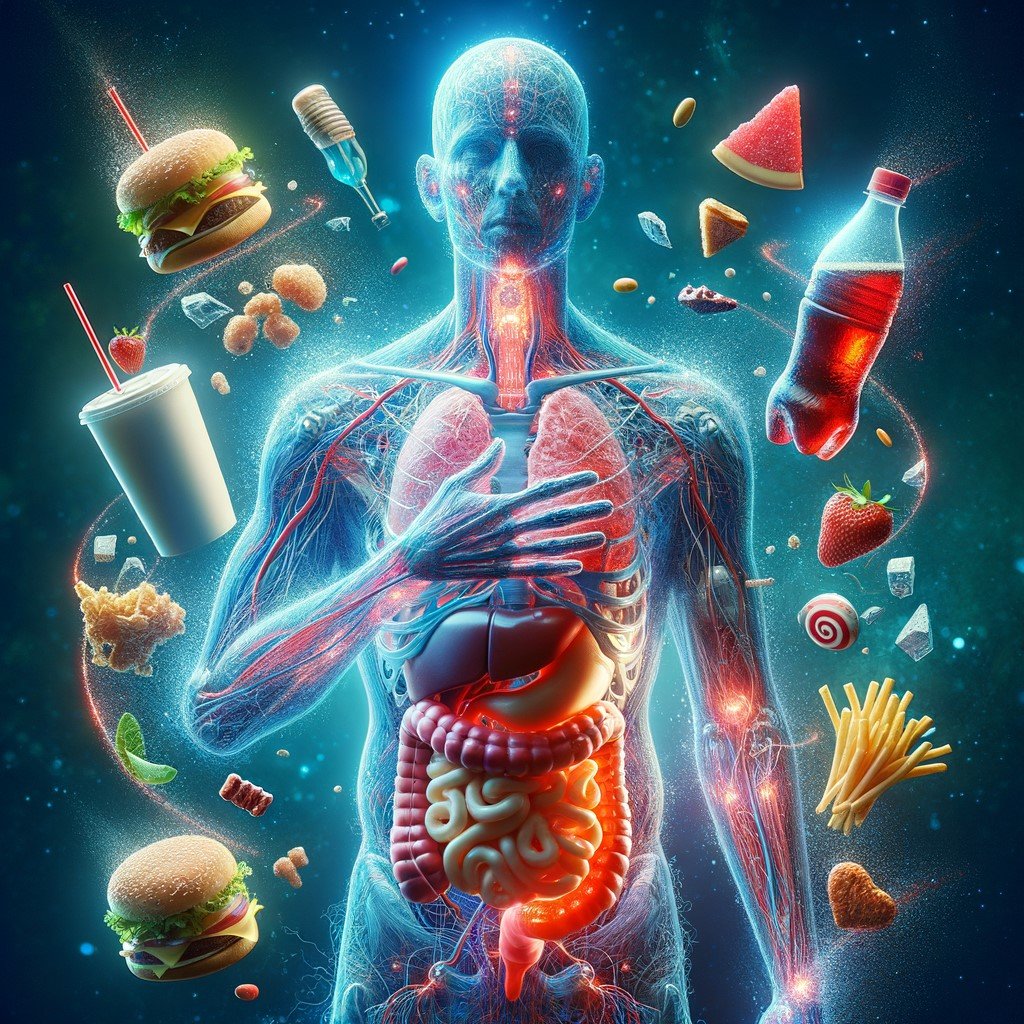
We toss terms like “processed” and “natural” around as if their meanings are self-evident. But there’s a sharp divide between food altered for convenience and food stripped of its soul. Ultra-processed foods are industrially manufactured, chemically flavored, and emotionally engineered. They’re not just altered—they’re designed to override your biology.
Now think of what’s in your kitchen right now: shelf-stable snacks, colorful cereals, low-fat “health” bars. Many of these wear wellness masks, yet beneath the label lies an army of synthetic stabilizers, preservatives, and lab-created “flavors.” You’re not eating food—you’re eating food-like constructs.
What These Foods Really Do to Your Body
They Hijack Your Metabolism
When your body stops hearing the “I’m full” signal, something’s gone wrong. Ultra-processed foods are crafted to silence those signals. They’re soft, fast, and addictive, pushing your body into calorie surplus with each bite. Studies show that even when calorie counts are matched, ultra-processed meals still lead to weight gain.
They Unbalance Your Hormones
That gnawing hunger hours after a snack? It’s not you—it’s your insulin. Many processed foods spike your blood sugar rapidly, triggering insulin surges that leave you crashing and craving more. Meanwhile, artificial sweeteners and flavor agents mess with your dopamine pathways, making broccoli feel like punishment and chips feel like love.
They Wreck Your Gut
Inside you is an ecosystem. Ultra-processed additives like emulsifiers, gums, and preservatives disrupt this balance. Your gut lining weakens. Inflammation creeps in. And what once served as your second brain—your gut—now leaks toxins into your bloodstream. Fatigue, bloating, and immune issues? They often start here.

The Psychological Web We’re Trapped In: Your Brain Wasn’t Built for This
Imagine designing a reward system to ensure survival—seek sugar, fat, salt. Now imagine that system being exploited with hyper-palatable combinations your brain never evolved to regulate. That’s the ultra-processed experience. It doesn’t just taste good—it manipulates your neural wiring.
It’s Not Just Cravings — It’s Engineering
The food industry isn’t leaving flavor to chance. Behind every irresistible bite is a research team fine-tuning textures and aromas to hit your “bliss point.” These aren’t just snacks. They’re engineered behaviors. And we are the lab rats, nibbling on dopamine hits.
The Price We Pay: Your Heart Pays First
Heart disease isn’t a future problem—it’s happening in kitchens today. A 10% increase in ultra-processed food intake is associated with a 12% increase in cardiovascular risk. These foods elevate bad cholesterol, inflate blood pressure, and accelerate arterial aging, even in people who look healthy on the outside.

Then Comes Diabetes
What begins as an occasional soda or a cereal habit quickly snowballs into blood sugar chaos. Over time, your cells grow numb to insulin’s knock. The result? Fatigue, cravings, and eventual insulin resistance. It’s a slow burn—and one that many don’t see coming until it’s irreversible.
Your Brain Isn’t Immune
Foggy thoughts. Anxiety. Memory slips. Ultra-processed foods don’t just change your body—they compromise your mind. They rob your brain of essential nutrients, increase oxidative stress, and blunt the neurochemical signals that shape mood and motivation.
How to Break Free: Start With the Cart
If it has more than five ingredients—or ingredients you can’t pronounce—put it back. Reach for raw nuts, unflavored oats, plain yogurt, and fresh or frozen veggies. Simplicity isn’t boring. It’s revolutionary.
Read Like a Detective
The front of the package screams “healthy.” The back tells the truth. Learn to recognize chemical names. Artificial doesn’t always mean dangerous—but frequent consumption of unfamiliar compounds is a gamble your body shouldn’t have to manage.
Cook to Reclaim Your Power
This isn’t about becoming a chef. It’s about becoming sovereign. Batch cook real meals. Stock your fridge with foods that rot—because that’s what real food does. And teach those around you that eating isn’t about fear—it’s about freedom.

Click Below For Products / Tools / Resources
Books: Salt Sugar Fat by Michael Moss, The Dorito Effect by Mark Schatzker
Apps: Yuka (food label scanner), EWG’s Food Scores, MyFitnessPal for tracking additives
Podcasts: The Doctor’s Farmacy, The Drive with Peter Attia
Shopping Tips: Focus on the perimeter of the store, buy from farmers’ markets, and try CSA boxes
Meal Planning Tools: RealPlans, Paprika Recipe Manager, or just a good old whiteboard calendar