What’s a Chronic Disease, Really?
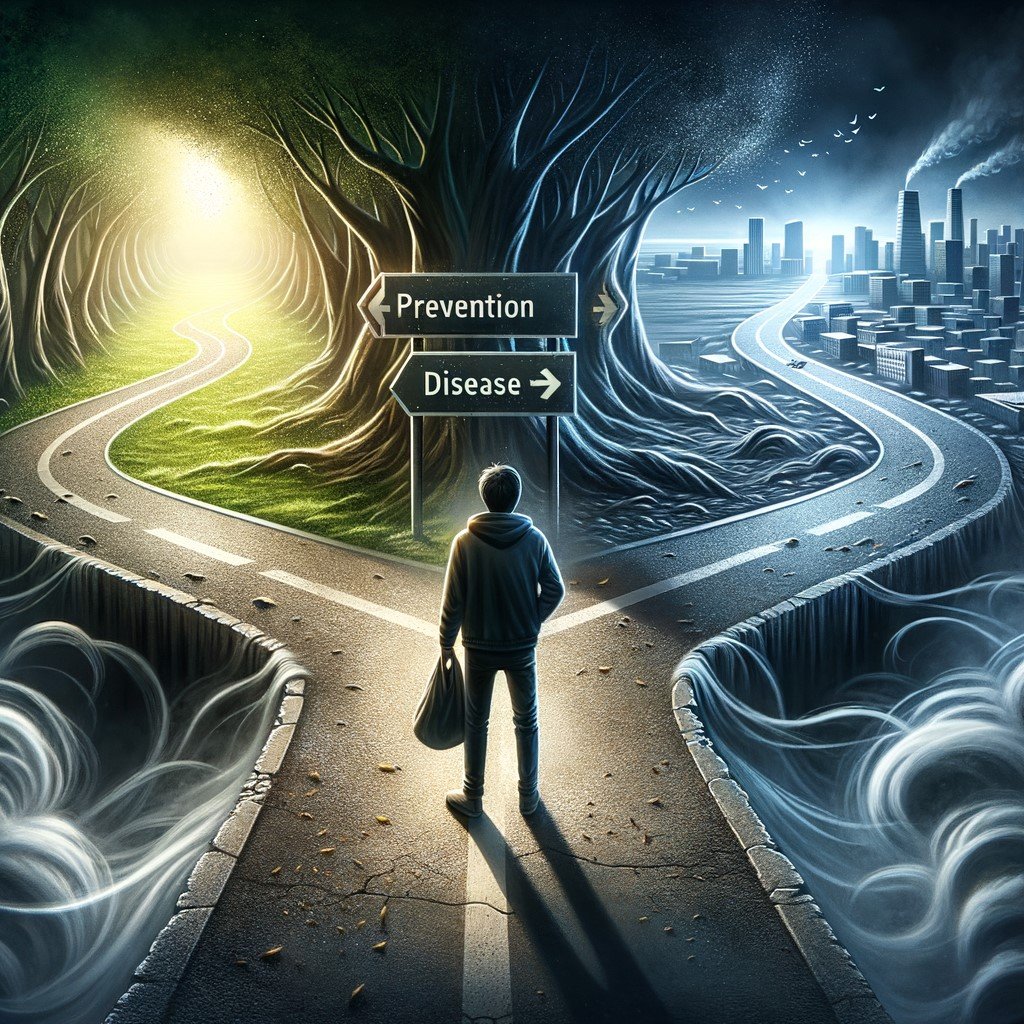
We often hear the term “chronic disease,” but what does it truly mean? It’s not a passing flu or a temporary ache. Chronic conditions are long-haul battles—lasting a year or more, often for life. They demand medical attention, alter daily life, and silently reshape futures. Heart disease. Diabetes. Arthritis. These are not random afflictions; they’re predictable outcomes of systemic imbalance. And one of the biggest drivers? Obesity.
Why the Rise Feels Unstoppable
Something’s changed. Across the globe, people are living longer—but not healthier. Chronic illness is becoming the new normal, not the exception. What’s behind it? The modern lifestyle: hyper-processed food, stress-filled routines, screen-driven inertia. Our bodies were built to move, to eat real food, and to rest. We’ve veered from that design—and the consequences are quietly unfolding in doctors’ offices and hospital wings.

How Obesity Seeds Lifelong Illness: The Science Inside Your Fat Cells
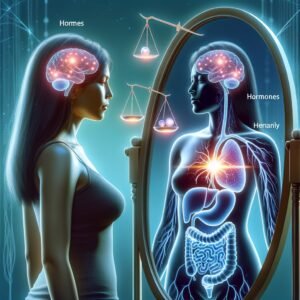
Fat isn’t inert. It’s a living, hormonal organ. And when it builds up—especially around your abdomen—it starts whispering the wrong messages. Inflammatory signals spread. Hormonal rhythms break. Insulin, once a helpful gatekeeper, becomes ignored. The body begins to resist its own systems. Over time, this dysfunction creates the perfect storm for disease.
The Chain Reaction: Inflammation to Disease
It starts subtly. Visceral fat—the deep belly kind—releases inflammatory messengers. These molecules interfere with everything: hunger, energy, immunity, and blood sugar control. The body begins operating under chronic distress, and the risk for long-term damage multiplies.
7 Diseases That Are Closely Tied to Obesity
1. Type 2 Diabetes
This one is textbook. When your cells stop listening to insulin, sugar builds up in the blood. The pancreas tries to compensate, working overtime—until it can’t. What starts as weight gain ends in lifelong blood sugar management.
2. Cardiovascular Disease
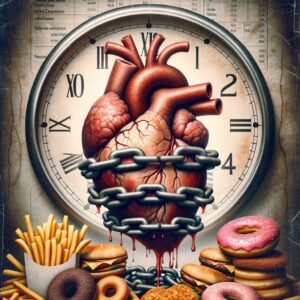
Obesity alters cholesterol ratios, elevates blood pressure, and stiffens arteries. The result? A heart that works too hard and a vascular system under siege. It’s no wonder heart disease remains a leading cause of death globally.
3. Non-Alcoholic Fatty Liver Disease (NAFLD)
Think your liver only suffers from alcohol? Think again. Excess fat accumulates in the liver, causing silent damage. It begins as fat buildup, but over time it can scar the liver—sometimes irreversibly.
4. Hypertension
More weight means more volume for your heart to pump. Over time, that extra effort raises blood pressure, wearing out blood vessels and straining organs like the kidneys and brain.
5. Certain Cancers
Obesity is a risk factor for several cancers, including breast, colon, and endometrial. Chronic inflammation, hormonal imbalances, and metabolic dysfunction may help cancer cells thrive.
6. Osteoarthritis
Our joints were designed to carry weight—but not too much. Every extra pound adds stress to knees, hips, and lower backs. Over time, cartilage wears away, and pain becomes a daily companion.
7. Sleep Apnea
When fat accumulates around the neck, airways narrow. During sleep, breathing may stop dozens of times an hour. It’s not just snoring—it’s oxygen deprivation that affects the heart and brain.
Obesity’s Emotional and Financial Weight: The Mental Health Strain
There’s a psychological tax to living in a larger body. Depression, anxiety, and shame are all too common. And the stigma? It doesn’t help. Society often treats obesity as a character flaw rather than a complex health condition, leaving many to suffer in silence.
The Cost to Healthcare (and Wallets)
Obesity-related illnesses are draining healthcare systems. Medications, doctor visits, surgeries—it all adds up. In the U.S., the yearly cost of obesity-related healthcare has soared past $170 billion. The price of inaction is not just personal. It’s societal.
Real Recovery: How to Change the Trajectory, and Eat Like You Respect Your Body
Forget fad diets. Start with food that’s real. Colorful vegetables, lean proteins, good fats, and fiber. Cut the ultra-processed fillers. Reduce sugar, but not joy. Build a plate that heals, not harms.
Move in a Way That Feels Doable
You don’t need a gym or a six-pack plan. Walking counts. Dancing counts. Strength training counts. What matters is consistency and enjoyment. Movement is medicine.
Build Support, Not Shame
No one overcomes obesity alone. Whether it’s a friend, a coach, a community group, or a healthcare provider, support changes outcomes. Policies matter too. Cities with walkable streets, accessible grocery stores, and health education create better health for everyone.
Click Below For Products / Tools / Resources
Books: The Obesity Code by Dr. Jason Fung, Metabolical by Dr. Robert Lustig
Apps: MyFitnessPal, Noom, Headspace (for stress and emotional eating)
Support Groups: Weight Watchers, Overeaters Anonymous, Reddit’s r/loseit
Programs: CDC’s Diabetes Prevention Program (DPP)
Supplements: Omega-3s, magnesium, and probiotics (consult a professional)