
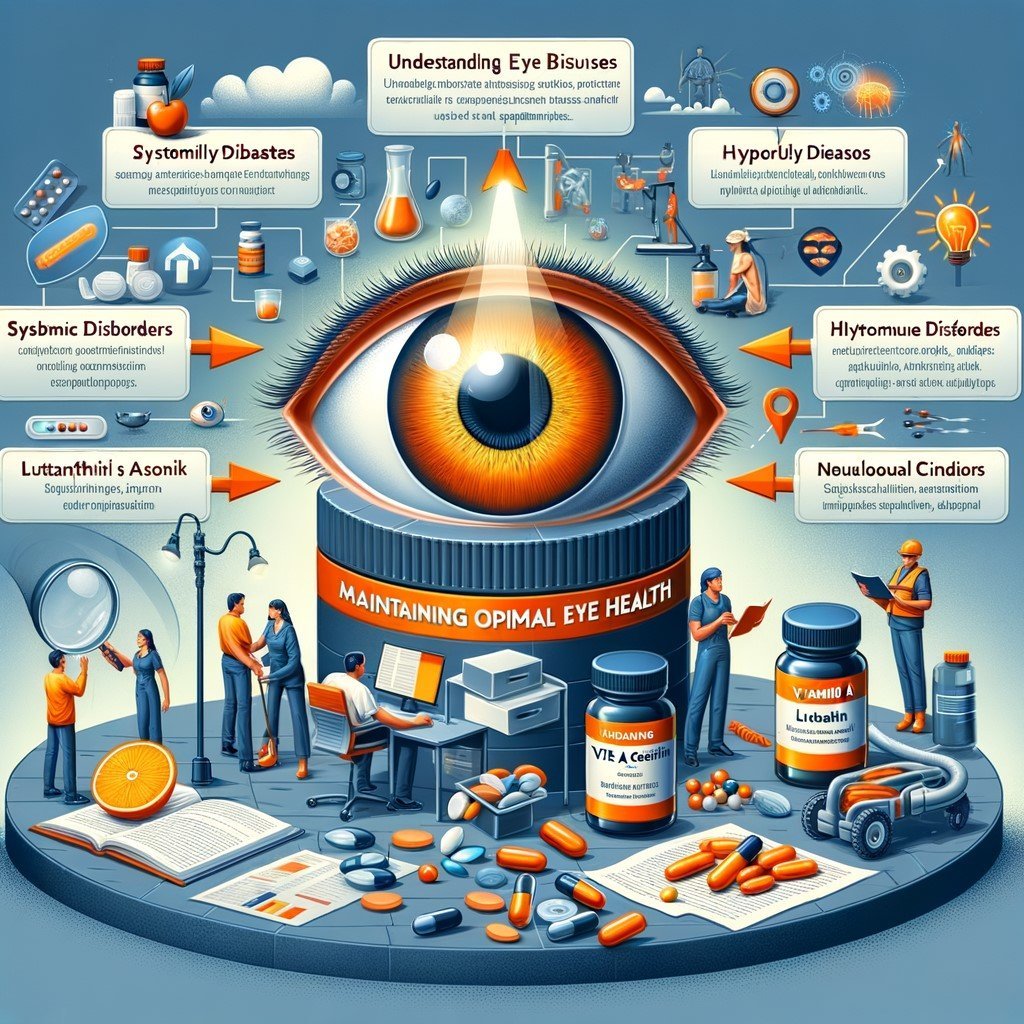
Maintaining optimal eye health is essential not only for clear vision but also as a reflection of overall wellness. Our eyes can reveal early signs of systemic diseases, making proactive care and regular monitoring critical components in safeguarding our long-term health.
This comprehensive guide examines the effectiveness of supplements, highlights key nutrients essential for ocular health, recommends beneficial dietary choices, and offers practical lifestyle tips to enhance your vision naturally. Additionally, it addresses age-related changes and emphasizes the importance of preventative eye exams at every stage of life.
Support Your Immune System Naturally—Explore Our Health Essentials Today.
1. Understanding Eye Health: Why It Matters and What Your Eyes Reveal
Maintaining optimal eye health is crucial not only for clear vision but also as an indicator of overall wellness. The eyes are sensitive organs that can reveal early signs of systemic diseases, including diabetes, hypertension, autoimmune disorders, and even neurological conditions. Regular monitoring of your eye health can therefore serve as a valuable preventive measure in identifying potential health issues before they become severe.
The importance of preserving good eyesight extends beyond daily convenience; it significantly impacts quality of life by enabling independence and enhancing productivity at work or school. Poor visual acuity or untreated ocular conditions can lead to headaches, fatigue, reduced concentration levels, and diminished performance in routine tasks. Furthermore, compromised vision increases the risk of accidents and injuries due to impaired spatial awareness or delayed reaction times.
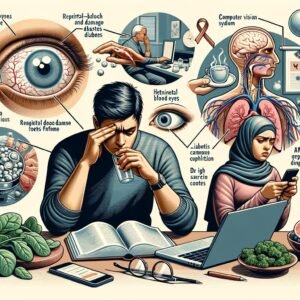
Your eyes themselves often provide subtle yet critical clues about your general well-being. For instance, persistent redness may indicate allergies or infections; yellowing of the sclera could signal liver dysfunction; blurred vision might be symptomatic of elevated blood sugar levels associated with diabetes; while sudden changes in visual clarity warrant immediate medical attention to rule out serious underlying causes, such as retinal detachment or stroke.
Recognizing these warning signs promptly enables individuals to seek timely intervention from healthcare professionals specializing in ophthalmology or optometry, potentially preventing irreversible damage and safeguarding long-term ocular health.
Therefore, understanding the significance behind maintaining healthy eyes goes far beyond mere aesthetics—it represents an essential component within comprehensive personal healthcare management strategies aimed at promoting lifelong wellness across all stages of life.
Take Charge of Your Health—One Supplement at a Time.
2. Eye Health Supplements: Do They Work?
Eye health supplements have gained popularity as a convenient method to support vision and maintain overall ocular wellness. Commonly marketed supplements include vitamins A, C, E, zinc, lutein, zeaxanthin, and omega-3 fatty acids—each purported to offer specific benefits such as reducing the risk of age-related macular degeneration (AMD), cataracts, or dry eye syndrome. However, consumers often question whether these supplements genuinely deliver on their promises.
Clinical studies have provided mixed results regarding the efficacy of supplements. The Age-Related Eye Disease Study (AREDS) conducted by the National Eye Institute found that certain combinations of antioxidants and minerals significantly reduced the progression of AMD in high-risk individuals. Specifically, formulations containing vitamin C, vitamin E, beta-carotene, or lutein/zeaxanthin address smokers’ safety concerns, and zinc is effective in slowing the progression of disease.
Conversely, evidence supporting supplementation for general eye health maintenance among healthy adults remains inconclusive. While some nutrients, such as omega-3 fatty acids, may alleviate symptoms associated with dry eyes due to their anti-inflammatory properties and improved tear production capacity, other studies indicate a minimal impact on visual acuity or long-term prevention outcomes when taken without existing deficiencies or conditions.
Ultimately, while targeted supplementation can indeed benefit those diagnosed with specific ocular diseases or nutrient deficiencies identified through medical evaluation, it’s crucial not to rely solely on dietary supplements for maintaining optimal eye health across all populations universally. Consulting an ophthalmologist before initiating any new supplement regimen ensures personalized recommendations based on individual needs, rather than relying solely on generalized marketing claims.
Your potential is a seed! Water it at Great Life Worldwide and watch it grow. Claim your free tour before the season ends!
3. Essential Vitamins and Nutrients for Optimal Vision
Maintaining optimal vision requires a balanced intake of essential vitamins and nutrients that support eye health. Vitamin A, notably found in carrots, sweet potatoes, and leafy greens, is crucial as it contributes to the proper functioning of the retina and helps prevent night blindness. Additionally, vitamin C plays a crucial role in protecting the eyes against oxidative stress due to its antioxidant properties; citrus fruits, such as oranges and grapefruits, are excellent sources.
Vitamin E further enhances eye protection by combating free radicals that can damage ocular tissues over time. Nuts like almonds and sunflower seeds are rich in this nutrient, making them beneficial additions to your diet. Equally essential are omega-3 fatty acids—commonly sourced from fish like salmon or tuna—which have been shown to reduce inflammation within the eyes while supporting retinal health.
Lutein and zeaxanthin deserve special attention due to their ability to filter harmful blue light emitted from digital screens, thus reducing risks associated with age-related macular degeneration (AMD). These carotenoids can be abundantly found in spinach, kale, broccoli, egg yolks, and corn kernels, among other foods.
Lastly, but significantly impactful, is zinc—a trace mineral vital for transporting vitamin A from the liver directly into the retina, where melanin production occurs; melanin serves as a protective pigment, shielding our eyes against ultraviolet radiation exposure. Zinc-rich foods include beans, legumes, oysters, beef, poultry, dairy products, whole grains, nuts, and seeds.
Ensuring adequate consumption promotes overall visual wellness throughout life stages, effectively safeguarding one’s eyesight longevity, clarity, comfort, and daily activities, as well as performance quality standards and expectations, in both professional and personal contexts.
4. Best Foods for Boosting Your Eye Health (and Which Ones to Avoid)
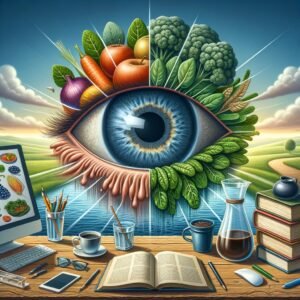
Maintaining optimal eye health begins with incorporating nutrient-rich foods into your daily diet. Leafy green vegetables such as spinach, kale, and collard greens are excellent sources of lutein and zeaxanthin—two powerful antioxidants known to protect against age-related macular degeneration and cataracts. Additionally, colorful fruits like oranges, berries, and mangoes provide ample vitamin C, which supports the health of blood vessels in the eyes.
Omega-3 fatty acids found in oily fish such as salmon, tuna, sardines, and mackerel play a crucial role in maintaining retinal function by reducing inflammation and supporting healthy tear production. Nuts and seeds—including almonds, walnuts, chia seeds, and flaxseeds—are also beneficial due to their high content of vitamin E and omega-3s that help combat oxidative stress within ocular tissues.
Eggs offer another valuable dietary addition; they contain zinc along with lutein and zeaxanthin—nutrients essential for preserving clear vision. Similarly beneficial is consuming carrots or sweet potatoes regularly, as these foods are rich in beta-carotene, a precursor to vitamin A, which is critical for night vision.
Conversely, certain foods can hurt eye health when consumed excessively. Processed snacks loaded with sugar or refined carbohydrates may increase risks associated with diabetic retinopathy by causing fluctuations in blood sugar levels over time.
High sodium intake from processed meats or packaged meals could elevate blood pressure levels, potentially leading to glaucoma development or worsening existing conditions. Consciously choosing nutritious options while limiting harmful food groups from your diet plan consistently ensures better long-term visual wellness outcomes overall.
Seeking the key to success? Unlock it at Great Life Worldwide! Learn why it’s your master key. Take the free tour before the door closes!
5. Practical Steps You Can Take Today to Improve Your Vision Naturally
Taking proactive measures today can significantly enhance your vision and overall eye health naturally. First, incorporate regular eye exercises into your daily routine. Simple practices, such as focusing on distant objects for 20 seconds every 20 minutes (the “20-20-20 rule”), can help reduce eyestrain caused by prolonged screen time. Additionally, gentle eye movements—such as rolling your eyes clockwise and counterclockwise or shifting focus between near and far objects—can strengthen ocular muscles and improve visual flexibility.
Second, prioritize adequate rest for your eyes by ensuring sufficient sleep each night. Seven to eight hours of quality sleep support the regeneration of eye tissues and reduce inflammation that may impair vision over time. Furthermore, managing stress through relaxation techniques such as meditation or deep breathing exercises can help lower intraocular pressure, thereby reducing the risk of glaucoma.
Third, protect your eyes from harmful ultraviolet rays by consistently wearing sunglasses with UV protection when outdoors—even on cloudy days—as prolonged exposure increases the risk of cataracts and macular degeneration. Moreover, maintaining proper hydration is essential; drinking ample water throughout the day helps maintain moisture levels in the eyes, preventing dryness and irritation.
Lastly, optimize lighting conditions at home or in the workplace to minimize strain: position screens slightly below eye level to reduce glare and adjust brightness settings accordingly. Incorporating these practical steps into everyday life not only promotes clearer vision but also contributes positively toward long-term ocular health outcomes.
Take Charge of Your Health—One Supplement at a Time.
6. Age-Related Changes in Eye Health: How to Protect Your Eyes at Every Stage of Life
As we age, our eyes naturally undergo changes that can impact vision quality and overall eye health. Common age-related conditions include presbyopia (difficulty focusing on close objects), cataracts, glaucoma, macular degeneration, and diabetic retinopathy. Each condition presents unique challenges; however, proactive measures can significantly reduce the risk or slow their progression.
In your 20s and 30s, protecting your eyes involves maintaining a balanced diet rich in antioxidants like vitamins C and E, lutein, zeaxanthin, and omega-3 fatty acids from fish oils or flaxseed oil supplements. Wearing sunglasses with UV protection is essential for preventing cumulative sun damage.
Entering your 40s and 50s requires increased vigilance due to the onset of presbyopia—regular comprehensive eye exams become crucial during this period. Consider incorporating nutritional supplements formulated explicitly for ocular health, which contain essential nutrients such as zinc and beta-carotene to support retinal function.
7. Regular Checkups and Exams: Staying Ahead with Preventive Eye Care
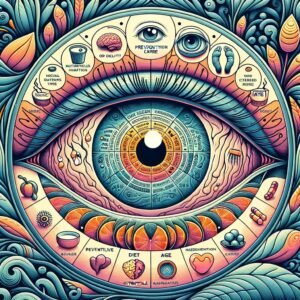
Regular eye examinations are a critical component of maintaining optimal vision and overall ocular health. These routine checkups enable early detection of potential issues, including glaucoma, cataracts, macular degeneration, diabetic retinopathy, and other conditions that may not initially present noticeable symptoms. Early identification through comprehensive exams significantly increases the likelihood of successful treatment outcomes and helps prevent irreversible damage or vision loss.
Eye care professionals recommend scheduling comprehensive eye exams every one to two years for adults without underlying conditions or risk factors. However, individuals over 60 years old or those with pre-existing medical conditions such as diabetes or hypertension should consider more frequent evaluations to monitor their ocular health status closely. Additionally, children require regular screenings starting at an early age to ensure proper visual development and to facilitate timely intervention if necessary.
During a thorough eye examination, optometrists or ophthalmologists assess various aspects of visual function, including acuity testing (clarity), refraction assessments (prescription accuracy), intraocular pressure measurements (glaucoma screening), retinal imaging scans (retinal health evaluation), peripheral vision checks, and pupil dilation procedures when indicated. Each test provides valuable insights into the current state of your eyes, helping to identify subtle changes that may indicate emerging problems.
Proactively attending scheduled appointments allows healthcare providers to establish baseline data on your ocular profile—information crucial in tracking any deviations from standard patterns over time. Ultimately, prioritizing preventative eye care through consistent professional monitoring is essential for safeguarding long-term visual wellness and quality of life.
Ready to level up your life? Press start at Great Life Worldwide! See why it’s your cheat code to success. Take the free tour today!
Conclusion:
Prioritizing your eye health through informed nutritional choices, targeted supplementation when necessary, and adopting healthy lifestyle habits can significantly impact your visual clarity and quality of life over time. Regular professional checkups are equally crucial in detecting potential issues early on, allowing timely intervention that may prevent irreversible damage or vision loss. By integrating these strategies into your daily routine today, you invest in maintaining vibrant eyesight for years to come.