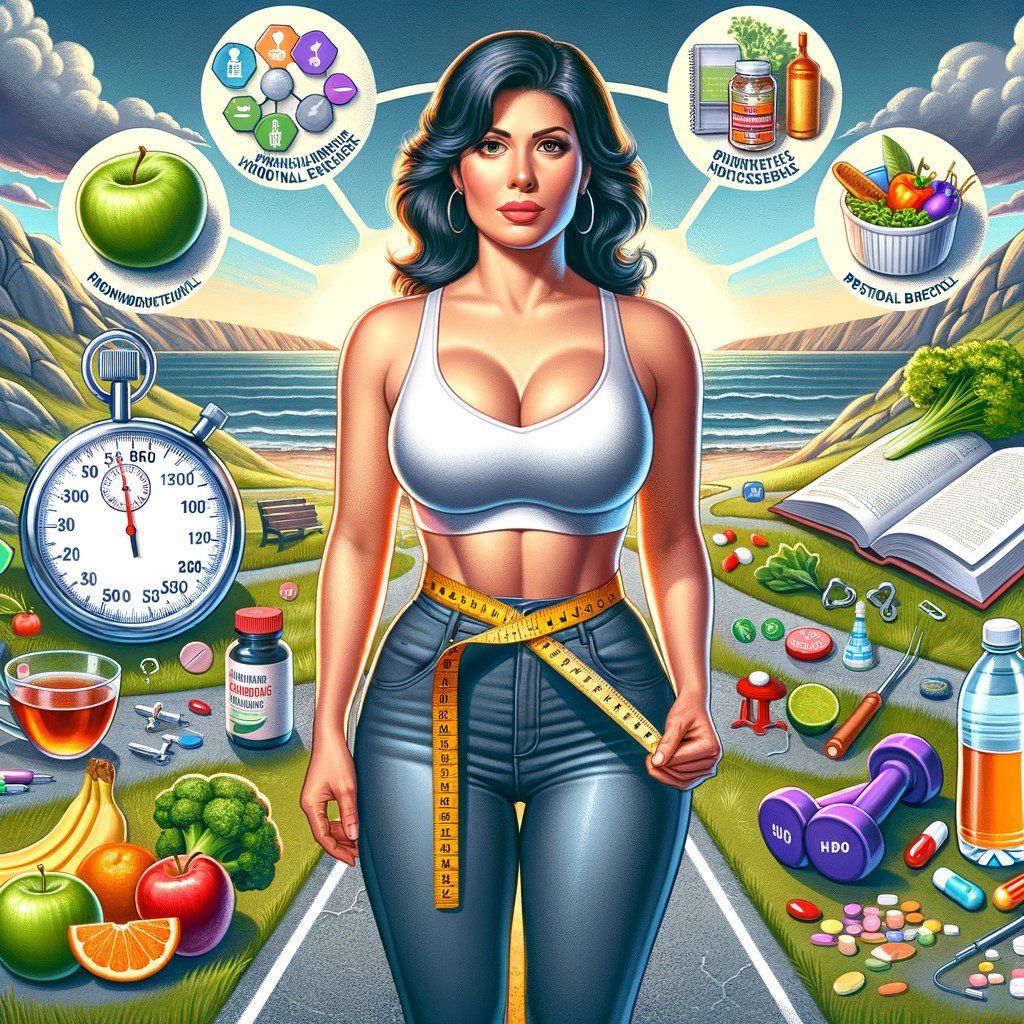
Losing belly fat can be particularly challenging for women due to hormonal fluctuations, age-related changes, and lifestyle factors. This comprehensive guide is designed specifically for women who are determined to tackle stubborn abdominal fat effectively and sustainably. By understanding the underlying causes of hormonal belly fat, setting realistic expectations, making informed dietary choices, incorporating powerful beverages into your routine, engaging in targeted exercises suitable for all ages—including those over 50—and utilizing beneficial vitamins and supplements strategically, you will be equipped with proven strategies to achieve lasting results. Additionally, recognizing common pitfalls that may hinder progress allows you to overcome obstacles proactively and maintain motivation throughout your journey.
Fuel Your Future with Wellness, Wealth, and Purpose—Join Now!
1. Understanding Female Hormonal Belly Fat: Why It’s So Stubborn
Hormonal belly fat in women is notoriously challenging to eliminate due to the complex interplay of hormones, age, and lifestyle factors. Unlike general body fat, hormonal belly fat accumulates primarily around the abdomen as a result of fluctuations or imbalances in estrogen, progesterone, cortisol, and insulin levels. As women approach menopause or experience significant hormonal shifts during pregnancy or menstrual cycles, these changes often trigger increased abdominal fat storage.
Estrogen plays a crucial role in regulating body weight distribution; when estrogen levels decline during the perimenopause and menopause stages, the body’s tendency to store excess fat around the midsection increases significantly.
Additionally, elevated cortisol, the stress hormone, can exacerbate this issue by prompting the body to store more visceral fat deep within the abdominal cavity, rather than in the subcutaneous layers beneath the skin. This type of visceral fat not only contributes to stubbornness but also poses significant health risks, including cardiovascular disease and diabetes.
Insulin resistance further complicates matters for many women experiencing hormonal belly fat accumulation. When cells become resistant to insulin’s effects due to dietary habits or genetic predisposition, blood sugar levels rise sharply after meals, leading to increased insulin secretion from pancreatic cells. Elevated insulin promotes additional storage of calories as abdominal adipose tissue instead of being utilized efficiently for energy production.
Understanding the underlying mechanisms behind female hormonal belly fat helps clarify why traditional dieting methods alone may be ineffective in targeting this specific area of concern. Addressing hormonal balance through targeted nutrition strategies, combined with appropriate exercise routines designed specifically for women’s unique physiological needs, can substantially improve outcomes and reduce frustration associated with efforts to lose stubborn belly fat.

Transform Your Health and Finances—Start with GreatLife Today!
2. Realistic Expectations: How Much Belly Fat Can You Lose in a Month?
When embarking on a journey to lose belly fat, it’s essential to set realistic expectations to maintain motivation and achieve sustainable results. Typically, health experts recommend aiming for gradual weight loss of approximately one to two pounds per week, which translates to roughly four to eight pounds per month. However, the actual amount of belly fat you can lose depends significantly on several factors such as your starting weight, age, genetics, hormonal balance, dietary habits, and physical activity levels.
Women often experience slower progress compared to men due to differences in body composition and hormonal fluctuations that influence fat storage patterns. Additionally, visceral belly fat—the type surrounding internal organs—is typically more responsive initially than subcutaneous fat located just beneath the skin’s surface.
Therefore, while noticeable reductions in waist circumference may occur within weeks through consistent effort involving diet modifications and regular exercise routines focused on both cardiovascular activities and strength training exercises targeting core muscles, dramatic transformations should not be expected immediately.
It’s essential not only to measure success by scale numbers but also by improvements in overall health indicators such as increased energy levels or enhanced sleep quality. Regularly tracking measurements around your waistline provides clearer insights into actual progress, rather than relying solely on daily weigh-ins, which fluctuate naturally due to water retention or hormonal fluctuations associated with menstrual cycles.
Ultimately, setting achievable monthly goals aligned with healthy lifestyle changes ensures long-term sustainability without risking burnout from unrealistic targets or unhealthy crash dieting methods that could negatively impact metabolism over time.
Don’t Wait for Change—Create It with GreatLife.
3. Foods That Fight vs. Foods That Fuel Belly Fat—What to Eat and What to Avoid
When aiming to reduce belly fat, dietary choices play a pivotal role in determining success or failure. Incorporating foods that actively combat abdominal fat while eliminating those that exacerbate the issue is essential for sustainable results.
Foods rich in soluble fiber, such as oats, chia seeds, legumes, and avocados, are particularly effective at fighting belly fat. Soluble fiber helps slow digestion and promotes feelings of fullness longer, reducing overall calorie intake throughout the day. Additionally, lean proteins such as chicken breast, turkey, fish (especially salmon), eggs, tofu, and Greek yogurt support muscle growth and enhance metabolism while helping to curb hunger cravings.
Healthy fats from sources such as olive oil, nuts (like almonds and walnuts), seeds (like flaxseed), and fatty fish rich in omega-3s, like sardines or mackerel, also contribute positively by decreasing inflammation associated with excess visceral fat accumulation around the abdomen.
Conversely, certain foods can significantly contribute to belly fat storage due to their inflammatory properties or high sugar content. Refined carbohydrates found in white bread products—including pastries—and sugary cereals spike insulin levels rapidly, leading directly to increased abdominal adiposity over time if consumed regularly.
Sugary beverages, including soda drinks and sweetened coffees, similarly promote weight gain, specifically around the midsection area, because liquid calories often go unnoticed yet add substantially to daily caloric totals without providing satiety signals as effectively as solid food alternatives.
Processed meats containing preservatives, alongside trans fats present in fried fast-food items, further aggravate inflammation, thereby encouraging additional visceral fat deposits near internal organs located centrally beneath the stomach muscles themselves. Thus, avoidance becomes crucial when aiming to achieve reduced waist circumference goals through nutrition alone.
4. Powerful Drinks and Juices that Accelerate Your Belly Fat Loss Journey
Incorporating specific beverages into your daily routine can significantly enhance your efforts to lose belly fat by boosting metabolism, reducing inflammation, and promoting satiety. Green tea is one of the most effective drinks for accelerating weight loss due to its high concentration of antioxidants called catechins, which stimulate fat burning and improve metabolic rate. Drinking two to three cups daily can support your body’s natural ability to burn abdominal fat.
Another powerful beverage is lemon-infused water. Starting your day with warm lemon water helps detoxify the liver, enhances digestion, and reduces bloating, factors crucial in flattening the stomach area. Additionally, apple cider vinegar diluted in water has been shown to stabilize blood sugar levels and curb appetite when consumed before meals. A tablespoon mixed with eight ounces of water, taken twice daily, can yield noticeable results.
Freshly prepared vegetable juices also play a crucial role in shedding stubborn belly fat. Juices made from leafy greens such as spinach or kale, combined with cucumber, celery, ginger root, and a squeeze of fresh lemon, provide nutrients that combat inflammation while supporting digestive health. These nutrient-rich juices not only help reduce visceral fat but also boost energy levels throughout the day.
Lastly, herbal teas like peppermint or dandelion tea aid digestion by alleviating bloating and fluid retention around the midsection. Regular consumption supports overall digestive wellness, a key component in achieving a flatter abdomen.
Integrating these powerful drinks consistently into your diet regimen can effectively accelerate your progress toward eliminating unwanted belly fat while enhancing overall health outcomes for women striving to achieve their fitness goals.
Say Goodbye to Fatigue—Feel the GreatLife Energy Difference.
5. Targeted Exercises for Women Over 50 to Shred and Tighten Hanging Belly Fat
For women over 50, targeted exercises are crucial in effectively reducing sagging belly fat and toning the abdominal area. At this age, hormonal changes can slow metabolism and reduce muscle mass, making it essential to adopt a fitness routine that specifically addresses these challenges.
Core-strengthening exercises such as planks are efficient for toning the midsection without placing excessive strain on joints. Aim to hold plank positions for intervals of 30 seconds to one minute, gradually increasing duration as strength improves. Additionally, modified crunches performed with knees bent and feet flat on the floor help engage deep abdominal muscles safely while minimizing lower back stress.
Resistance training is another vital component in combating belly fat after age 50. Incorporating resistance bands or lightweight dumbbells into your workout regimen not only builds lean muscle but also boosts metabolism significantly. Exercises like seated torso twists using resistance bands or standing side bends with light weights effectively target the oblique muscles, helping to sculpt a tighter waistline.
Low-impact cardiovascular activities, such as brisk walking, cycling, swimming, or water aerobics, complement strength training by burning calories efficiently without causing the joint discomfort common at this stage of life. Aim for at least 150 minutes per week of moderate-intensity cardio exercise spread across several sessions.
Consistency is key; regular practice ensures steady progress toward reducing stubborn belly fat while improving overall health and vitality. Always prioritize proper form during workouts—this reduces the risk of injury and maximizes the results from each movement performed. Consulting with a certified personal trainer experienced in working with mature clients can further enhance safety measures and optimize the effectiveness of your exercise program, which is explicitly tailored to your needs.

Nourish Your Body, Fuel Your Potential—Start with GreatLife Supplements.
6. Vitamins, Supplements, and Bedtime Fruits that Help Melt Away Hormonal Belly Fat
Incorporating specific vitamins, supplements, and bedtime fruits into your daily routine can significantly enhance your efforts to reduce hormonal belly fat. Vitamin D is particularly beneficial for women struggling with stubborn abdominal fat due to its role in regulating insulin sensitivity and hormone balance. Ensuring adequate vitamin D intake through supplementation or exposure to sunlight can support metabolic functions essential for weight loss.
Omega-3 fatty acids are another powerful supplement known to combat inflammation and improve insulin resistance, two factors closely linked with hormonal belly fat accumulation. Regular consumption of omega-3 supplements such as fish oil capsules or flaxseed oil can effectively aid in reducing visceral fat deposits around the abdomen.
Additionally, magnesium supplementation has shown promising results in managing cortisol levels, the stress hormone often associated with increased belly fat storage in women. Magnesium helps promote relaxation and improve sleep quality, both crucial elements in maintaining balanced hormones that are conducive to losing abdominal weight.
When it comes to bedtime snacks, certain fruits offer unique advantages by promoting restful sleep while simultaneously supporting metabolism overnight. Tart cherries contain melatonin—a natural sleep enhancer—and antioxidants that help reduce inflammation associated with excess belly fat storage. Similarly, kiwis are rich in serotonin precursors, which facilitate improved sleep patterns; their high fiber content also aids digestion overnight.
By consistently incorporating these vitamins, supplements, and nighttime fruit choices into your regimen over time, you create an optimal internal environment that supports the effective and safe reduction of hormonal belly fat.
7. Common Mistakes Hindering Your Progress and How to Overcome Them
Many women striving to lose belly fat unknowingly make mistakes that hinder their progress, despite their consistent efforts. One prevalent error is relying solely on cardio exercises while neglecting strength training. Cardio alone may burn calories, but incorporating resistance workouts builds lean muscle mass, significantly boosting metabolism and enhancing fat loss around the abdomen.
Another common pitfall is drastically reducing calorie intake or skipping meals altogether. Severe caloric restriction can slow down metabolism and trigger hormonal imbalances, making it harder for the body to shed stubborn belly fat. Instead of extreme dieting, focus on balanced nutrition with adequate protein, healthy fats, complex carbohydrates, and fiber-rich foods to maintain steady energy levels and support sustainable weight loss.
Additionally, insufficient sleep often undermines women’s efforts to lose abdominal fat. Poor sleep quality elevates cortisol levels—the stress hormone closely linked with increased belly fat storage—thus sabotaging your hard work during waking hours. Prioritize getting seven to eight hours of restful sleep each night by establishing a relaxing bedtime routine and limiting screen time before bed.
Lastly, inconsistency remains one of the biggest obstacles hindering progress toward a flatter stomach. Sporadic exercise routines or irregular dietary habits prevent meaningful results from materializing over time. Establish clear goals paired with realistic schedules that integrate regular physical activity alongside mindful eating practices into daily life.
By recognizing these common mistakes early on—and proactively addressing them—you will be better positioned for sustained success in your journey toward eliminating stubborn belly fat effectively and permanently.

Your potential is a diamond! Polish it at Great Life Worldwide and see how it can make you shine. Claim your free tour today!
Conclusion:
Achieving a flatter stomach requires patience, consistency, and an integrated approach tailored specifically toward women’s unique physiological needs. By combining nutritional adjustments with targeted exercise routines—especially important as we age—alongside strategic supplementation and mindful lifestyle practices such as quality sleep management, significant progress becomes attainable.
Avoiding common mistakes ensures steady advancement toward your goals without unnecessary setbacks or frustration. Ultimately, embracing these expert-backed strategies empowers you not only to lose stubborn belly fat but also enhances overall health outcomes, so you feel confident both inside and out on this transformative journey towards wellness.