Cancer remains one of the most formidable health challenges worldwide, affecting millions each year. Understanding its complexities not only helps in managing the disease but also empowers individuals to adopt preventive measures and seek appropriate treatments. This article examines various aspects of cancer, encompassing its fundamental biology to the latest advancements in treatment and pain management.
By exploring topics such as survival rates, early detection, nutrition, and new therapeutic approaches, we aim to provide a comprehensive overview that enlightens and informs patients, caregivers, and the general public about effective strategies for dealing with this pervasive illness.
Join the Movement Toward Purposeful Living—It Starts with GreatLife.
1. The Basics of Cancer: How It Starts and Spreads
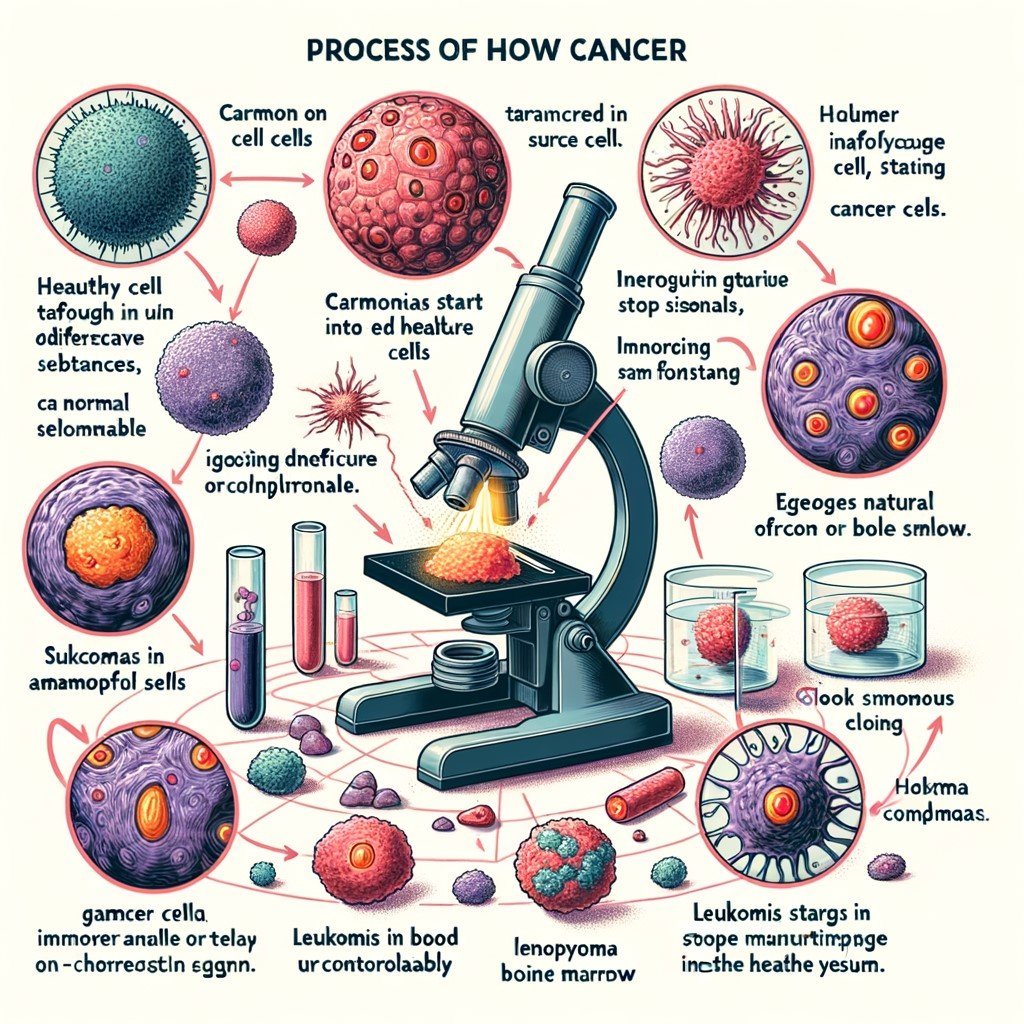
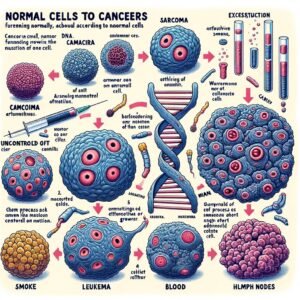
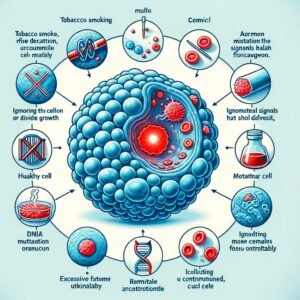
Cancer begins at the cellular level, where genetic material within cells becomes damaged or mutated, often disrupting normal cell growth and division. These mutations can be triggered by various factors, including environmental exposures such as radiation and carcinogenic chemicals, lifestyle choices like tobacco use, inherited genetic predispositions, or even random errors in DNA replication during cell division. Once a cell becomes cancerous, it starts to proliferate uncontrollably, forming a mass known as a tumor.
Tumors can be benign (non-cancerous) or malignant (cancerous). Malignant tumors are more dangerous because they can invade nearby tissues and organs—a process called local invasion. Moreover, cancer cells from these tumors can enter into lymphatic channels or blood vessels—known as metastasis—and spread to other parts of the body where they can form new tumors.
This ability to spread is what makes cancer particularly challenging to treat once it has reached advanced stages. Each type of cancer behaves differently depending on its origin and genetic makeup, which influences how quickly it spreads and affects the body. Understanding these mechanisms is crucial for developing targeted therapies that aim not only to treat but also potentially prevent the progression of this complex disease.

Nourish Your Body, Fuel Your Potential—Start with GreatLife Supplements
2. Life with Cancer: Survival Rates and Factors Influencing Longevity
Survival rates for cancer patients have significantly improved over the past few decades due to advances in medical technology, early detection, and more effective treatment options. However, the survival rate varies widely depending on the type of cancer, stage at diagnosis, and several other factors. One primary factor influencing longevity is the type of cancer; for instance, cancers like breast and prostate generally have higher survival rates compared to more aggressive types, such as lung or pancreatic cancer.
Another crucial determinant is the stage at which cancer is diagnosed. Early-stage cancers are typically less advanced and confined to their original site, making them easier to treat effectively compared to cancers that have metastasized or spread to other parts of the body. Thus, early detection plays a pivotal role in enhancing patient survival rates.
Genetic factors also play a significant role in determining not only susceptibility but also how well a patient responds to treatment. Some individuals may possess genetic mutations that make their bodies more responsive to certain medicines than others.
Lifestyle choices, both before and after diagnosis, can also impact longevity. Patients who maintain a healthy diet, exercise regularly, and abstain from smoking tend to experience better outcomes. Additionally, psychological health has been shown to impact survival rates; those who maintain strong social support networks and utilize stress management techniques often fare better during treatment.
Lastly, access to quality healthcare can’t be overstated as a critical factor affecting cancer survival rates. This includes timely access to innovative therapies and specialized care, which can significantly alter outcomes positively for many patients living with cancer.

Invest in Your Well-Being—GreatLife Makes It Easy
3. Early Detection and the Silent Killers: Hard-to-Detect Cancers
Early detection of cancer significantly improves the chances of successful treatment and survival. However, some cancers are notoriously difficult to detect early because they often do not produce noticeable symptoms until they have progressed to an advanced stage. These “silent killers” include pancreatic cancer, ovarian cancer, and kidney cancer, among others.
Pancreatic cancer is one of the most stealthy forms of cancer. It typically doesn’t cause symptoms in its early stages, which is why it’s often diagnosed late, when the prognosis is usually poor. Symptoms such as jaundice, abdominal pain, weight loss, and digestive problems frequently appear only after the tumor has grown large enough or spread beyond the pancreas.
Ovarian cancer similarly remains undetected in its initial stages because it rarely produces specific symptoms that would prompt immediate investigation. Common complaints, such as bloating, pelvic pain, and changes in bowel habits, are often misdiagnosed as less severe conditions related to gastrointestinal health.
Kidney cancer also falls into this category; it’s frequently asymptomatic and can grow quite large before being discovered incidentally during routine medical imaging for unrelated issues. By then, options for effective treatment might be more limited.
To combat these silent killers effectively requires a proactive approach towards health screenings that go beyond standard protocols, especially for those at increased risk due to family history or genetic predispositions. Enhanced screening methods, such as MRI scans or specialized blood tests that look for specific biomarkers associated with these cancers, could potentially improve early detection rates.
In conclusion, while hard-to-detect cancers pose significant challenges in oncology due to their asymptomatic nature in early stages, advancements in diagnostic technologies hold promise for earlier identification and better outcomes for patients.

Your Personalized Wellness Dashboard Awaits—Join Now
4. Living Beyond Cancer: Long-Term Survival and Quality of Life
Surviving cancer is a significant milestone, but the journey doesn’t end with remission. The long-term survival and quality of life for cancer survivors can vary widely, influenced by the type of cancer, stage at diagnosis, treatment modalities used, and individual health factors. Post-treatment life involves regular follow-ups, which include medical tests to monitor for recurrences, assessment of bodily functions affected by treatment, and management of any ongoing symptoms.
The quality of life after cancer is a crucial aspect that healthcare providers strive to optimize. This includes physical well-being, where patients may deal with side effects from treatments such as chemotherapy or radiation therapy, which can include fatigue, pain, cognitive changes, and emotional distress. Rehabilitation services, such as physical therapy, can help regain strength and mobility, while occupational therapy may be necessary to adapt to new limitations.
Emotional support is also crucial, as survivors often experience anxiety about recurrence along with depression related to their experiences during illness and treatment. Support groups or counseling can be beneficial in providing a space for expression about fears or grief while also connecting with others who have undergone similar experiences.
Moreover, lifestyle modifications play a crucial role in enhancing the quality of life after cancer treatment. This encompasses dietary changes that emphasize nutrient-rich foods to support overall health. Physical activity tailored to the individual’s abilities helps maintain muscle mass and improve mood. Quitting smoking reduces the risk of recurrence. Limiting alcohol intake and managing stress through techniques such as meditation or yoga are recommended practices.
In summary, living beyond cancer involves comprehensive care strategies aimed at not only preventing recurrence but also enhancing psychological well-being and overall health status through integrated support systems tailored individually for each survivor’s needs.

Fuel Your Future with Wellness, Wealth, and Purpose—Join Now!
5. Prevention and Nutrition: Foods That Fight Against Cancer Cells
The relationship between diet and cancer prevention has been extensively studied, revealing that certain foods can significantly reduce the risk of developing cancer. These foods contain vital nutrients that help in fortifying the body’s defenses against cancer cells. Cruciferous vegetables such as broccoli, cauliflower, and Brussels sprouts are rich in glucosinolates, which are sulfur-containing chemicals. During digestion, these chemicals break down to form biologically active compounds like indoles and isothiocyanates, known to inhibit cancer growth in rodents by protecting cells from DNA damage.
Similarly, berries are packed with antioxidants like vitamins C and E, as well as flavonoids. These compounds combat oxidative stress within the body, which can otherwise lead to cell damage and increase the risk of cancer. Regular consumption of a variety of berries can thus play a pivotal role in preventing cellular transformations that could lead to cancer.
Tomatoes are another powerful food in the fight against cancer, primarily due to their high lycopene content. Lycopene is an antioxidant that gives tomatoes their characteristic red color and has been explicitly linked to a lower risk of prostate cancer through numerous studies. It’s thought that lycopene works by counteracting free radicals before they cause harm.
Fiber intake from whole grains is also crucial for reducing certain types of cancers such as colorectal cancer. Dietary fiber aids digestive health by helping flush out potential carcinogens from the gastrointestinal tract before they can cause harm.
Incorporating these foods into daily meals not only contributes to overall good health but also serves as a preventive measure against the development of various types of cancer. While no single food or diet can completely prevent or cure cancer, maintaining a balanced diet rich in these components forms an essential part of any comprehensive approach towards minimizing one’s risk for this disease.

Your Path to Financial Freedom and Health Starts Here—Join Us
6. Advances in Treatment: Promising Research and Future Prospects
The landscape of cancer treatment is witnessing transformative changes, driven by breakthroughs in research and technology. One of the most promising areas is immunotherapy, which harnesses the body’s immune system to fight cancer more effectively than traditional treatments, such as chemotherapy and radiation. Techniques such as CAR T-cell therapy have shown remarkable results in treating certain types of leukemia and lymphoma by genetically modifying a patient’s own immune cells to target and attack malignant cells.
Another significant advancement is the development of targeted therapy. Unlike conventional methods that indiscriminately affect both healthy and cancerous cells, targeted therapies aim precisely at the molecular changes that are specific to cancer cells. Drugs like tyrosine kinase inhibitors disrupt signaling pathways within cancer cells, thereby inhibiting their growth and survival.
Moreover, precision medicine tailors treatment based on individual genetic profiles. By understanding the genetic mutations that cause each patient’s cancer, doctors can select treatments that target those mutations specifically. This approach not only enhances efficacy but also minimizes side effects compared to one-size-fits-all therapies.
Additionally, advancements in diagnostic technologies such as liquid biopsies are revolutionizing early detection and monitoring of cancers. These non-invasive tests detect traces of DNA from cancer cells in blood samples, enabling earlier diagnosis without the need for invasive procedures such as surgical biopsies.
Looking forward, ongoing research into vaccine development against various forms of cancers holds substantial promise for prevention rather than just treatment. For instance, vaccines targeting HPV have already demonstrated success in reducing cases of cervical cancer linked to the virus.
These innovations signify a shift towards more personalized, less invasive approaches that could dramatically improve survival rates and quality of life for patients worldwide while paving the way for potential cures in scenarios previously deemed terminal.
Feel Better, Live Better, Earn More—Only with GreatLife
7. Coping with Cancer Pain Management
Effective pain management is a critical component of cancer care, addressing one of the most feared aspects of the disease. Cancer pain can arise from the tumor itself, as it presses on bones, nerves, or other organs in the body. Additionally, treatments such as chemotherapy, radiation, and surgery may also contribute to discomfort and pain.
The approach to managing cancer pain is multifaceted and personalized. It often involves medications ranging from over-the-counter options like acetaminophen or NSAIDs to more potent opioids prescribed for severe pain. However, reliance solely on pharmaceuticals is not always advisable due to potential side effects and the risk of dependency.
Beyond medications, integrative therapies play an essential role in controlling cancer-related pain. Techniques such as physical therapy help improve mobility and reduce discomfort. Acupuncture has been shown to alleviate both chronic and acute cancer pain, while massage therapy can decrease stress and bodily tension, which may exacerbate pain sensations.
Psychological support is equally vital in managing cancer pain effectively. Cognitive-behavioral therapy (CBT) helps patients develop coping strategies that address the emotional responses to chronic pain. Mindfulness meditation has also gained recognition for its effectiveness in reducing anxiety associated with ongoing discomfort by helping patients maintain a focus on present-moment experiences without judgment.
Healthcare providers are increasingly advocating for a comprehensive approach that combines these elements, explicitly tailored to each patient’s needs and preferences. This strategy ensures not only the alleviation of physical symptoms but also addresses psychological well-being, enhancing overall quality of life despite the challenges posed by living with cancer.

Turn Aspirations Into Achievements—One Click Starts It All
Conclusion:
The journey through understanding cancer is intricate and multifaceted. From understanding the fundamental mechanisms by which cancer cells operate to implementing cutting-edge treatments that offer hope beyond traditional methods, our exploration reveals both challenges and remarkable strides in oncology. As research continues to advance and new technologies emerge, there’s an optimistic outlook for improved diagnostic tools, more personalized therapies, and ultimately, better survival rates for patients. This knowledge must transcend scientific communities, reaching those affected by cancer so they can make informed decisions about their health care options while fostering prevention strategies within their communities.