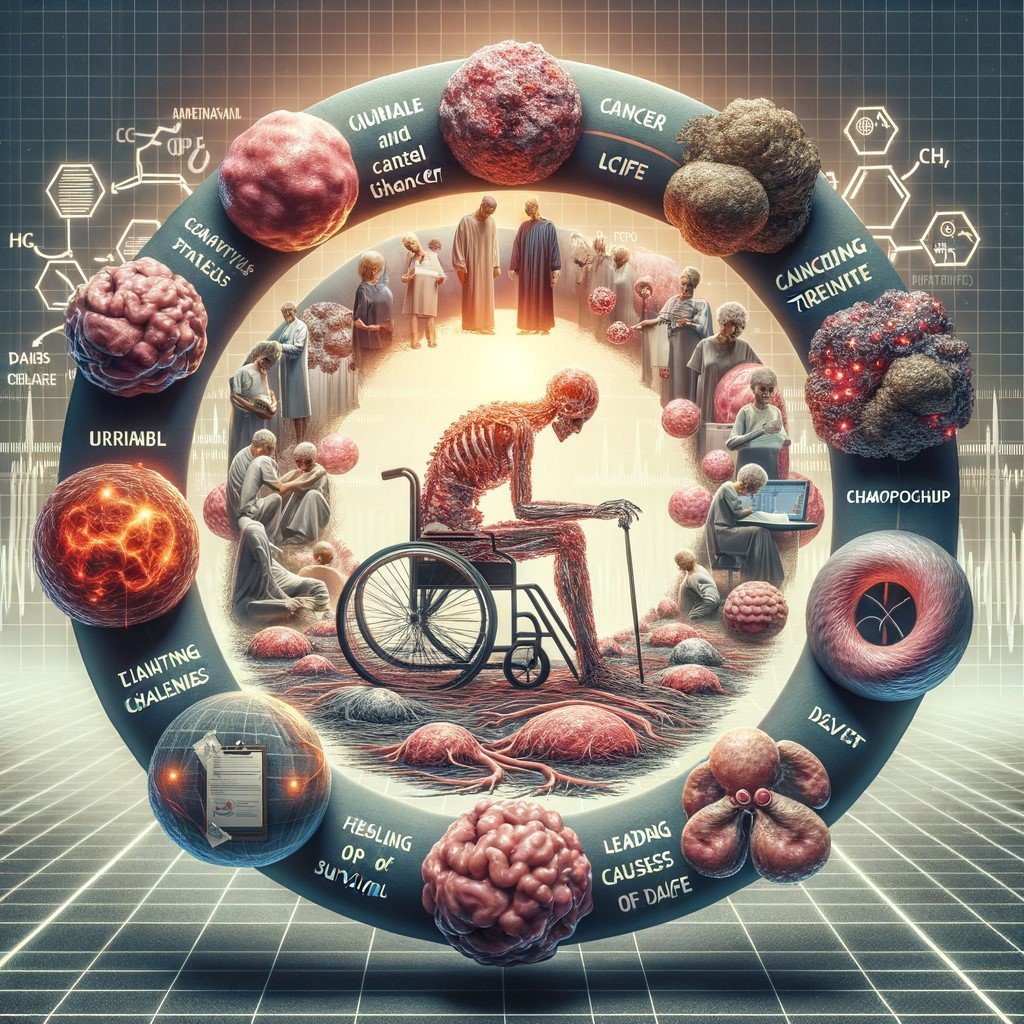
Navigating the complexities of terminal illness and end-of-life care is a profound journey that affects patients, families, and healthcare providers alike. This article delves into crucial aspects of this journey, from understanding the distinctions between incurable and terminal illnesses to exploring treatment options like chemotherapy in cancer care.
We also examine the nature of tumors, interpret survival rates to enhance patient comprehension, recognize signs indicating the final stages of life, and address the emotional and physical challenges faced during home-based end-of-life care. Additionally, we highlight leading causes of death and their impact on life expectancy as part of a broader conversation about health outcomes.

Say Goodbye to Fatigue—Feel the GreatLife Energy Difference.
1. Differentiating Between Incurable and Terminal Illnesses
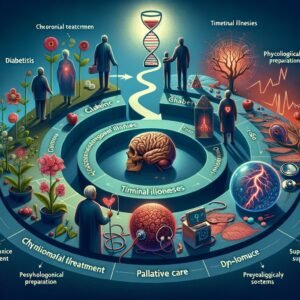
In the realm of medical diagnoses, the terms “incurable” and “terminal” are often used interchangeably, yet they denote distinct realities that significantly impact patient care and decision-making. An incurable illness refers to a condition for which there is currently no cure available; however, it doesn’t necessarily imply an imminent end-of-life scenario. Patients with incurable diseases can live for many years with appropriate management strategies aimed at controlling symptoms and maintaining quality of life. Chronic conditions such as diabetes or certain types of arthritis fall into this category.
Conversely, a terminal illness is one where the disease has progressed to a point where death is expected within a relatively short period, typically six months or less, even with treatment. This classification necessitates a shift in focus from curative measures to palliative care, emphasizing comfort and quality of life over aggressive interventions.
Understanding these distinctions is crucial for healthcare providers as they develop personalized care plans that align with patients’ goals and values. For patients and their families, recognizing whether an illness is incurable or terminal helps set realistic expectations about prognosis. It guides essential decisions regarding treatment options, advance directives, and hospice care.
Moreover, differentiating between these two types of illnesses facilitates psychological preparation for both patients and their loved ones. While an incurable diagnosis may allow time to adjust emotionally while managing ongoing treatments, a terminal diagnosis often requires more immediate emotional support systems to cope with the impending loss.
Ultimately, clear communication between healthcare professionals and patients about the nature of their illness fosters informed decision-making processes that respect individual preferences during challenging times.
Your Health Journey Deserves the Best—Choose GreatLife Quality.
2. The Role and Success Rate of Chemotherapy in Cancer Treatment
Chemotherapy remains a cornerstone in the treatment of cancer, playing a pivotal role in both curative and palliative care strategies. Its primary function is to target rapidly dividing cells, aiming to reduce or eliminate malignant growths. However, its effectiveness varies significantly depending on several factors, including the type and stage of cancer, as well as individual patient characteristics.
In early-stage cancers such as certain types of lymphoma or testicular cancer, chemotherapy can be highly effective, with success rates reaching up to 90% when combined with other treatments like surgery or radiation therapy. For advanced stages or aggressive forms like pancreatic or lung cancer, chemotherapy often serves more as a means to prolong life and alleviate symptoms rather than cure the disease outright.
The success rate also hinges on the specific chemotherapeutic agents used; some drugs are tailored for particular cancers while others have broader applications. Advances in personalized medicine have further refined these approaches by allowing oncologists to tailor regimens based on genetic markers unique to each patient’s tumor profile.
Despite its potential benefits, chemotherapy is not without significant drawbacks. It indiscriminately targets fast-growing cells, which leads to side effects such as fatigue, nausea, hair loss, and increased susceptibility to infections due to bone marrow suppression. These adverse effects can impact patients’ quality of life considerably during treatment periods.
Overall survival rates post-chemotherapy vary widely but have generally improved over recent decades thanks largely to advancements in drug development and supportive care measures that mitigate side effects. While it may not always offer a cure, particularly for terminal cases, it remains an essential tool within oncology that provides hope for remission and extended survival times across various malignancies.
Take Charge of Your Health—One Supplement at a Time.
3. Tumors: From Harmless to Hardest to Treat
Tumors, abnormal growths of tissue that can develop in any part of the body, vary significantly in their nature and potential impact on health. Understanding the spectrum from benign to malignant tumors is crucial for both medical professionals and patients.
Benign tumors are non-cancerous growths that generally pose minimal risk to health. They tend not to invade surrounding tissues or spread throughout the body. Examples include lipomas (fatty lumps under the skin) and fibroids (non-cancerous growths in or around the uterus). While typically harmless, some benign tumors may require removal if they cause discomfort or interfere with normal bodily functions due to their size or location.
In contrast, malignant tumors are cancerous and present a significant challenge in medical treatment. These tumors can invade nearby tissues and metastasize, spreading cancer cells through the blood or lymphatic systems to distant parts of the body. The complexity of treating malignant tumors lies not only in their aggressive nature but also in their resistance to conventional therapies over time.
Among malignant tumors, certain types are notoriously difficult to treat due primarily to factors such as late-stage diagnosis, rapid progression, and limited responsiveness to available treatments. For instance, glioblastoma multiforme—a type of brain tumor—presents considerable challenges because it infiltrates healthy brain tissue rapidly and often recurs after initial treatment efforts like surgery or radiation therapy.
Moreover, pancreatic cancer is another example where early detection remains elusive; symptoms often appear only at advanced stages when surgical options become limited. This underscores an urgent need for ongoing research into innovative diagnostic tools and therapeutic approaches aimed at improving outcomes for patients facing these formidable adversaries.

Unlock Peak Performance—Personalized Nutrition Starts Here.
4. Survival Rates Explained: What They Mean for Patients
Survival rates are often cited in discussions about terminal illnesses, yet their implications can be misunderstood by patients and families alike. These statistics typically represent the percentage of people who survive a particular type of cancer or illness for a specific amount of time after diagnosis, commonly five years. However, it’s crucial to recognize that survival rates are based on large groups of people and cannot predict individual outcomes.
For patients, understanding survival rates requires an appreciation of their context. These figures are derived from historical data and may not account for recent advancements in treatment or individual health factors such as age, overall health condition, or response to therapy. Consequently, while they provide a general outlook on prognosis, they should not be viewed as definitive forecasts.
Moreover, survival rates can vary significantly depending on the stage at which the disease is diagnosed. Early detection often correlates with higher survival rates due to more effective treatment options available at the initial stages compared to those at advanced stages. Therefore, these numbers should encourage proactive management rather than instill fear.
It’s also essential for healthcare providers to communicate these statistics effectively and compassionately. Misinterpretation can lead to unnecessary anxiety or false hope among patients and their families. A nuanced discussion about what these numbers mean about personal circumstances is essential.
Ultimately, while survival rates offer valuable insights into the potential trajectory of an illness within a population group, they must be balanced with personalized medical advice and support systems tailored to each patient’s unique situation. Understanding this balance empowers patients to hold realistic expectations while maintaining hope through individualized care plans tailored to their current medical capabilities and personal resilience factors.
Experience the Power of VIP Wellness—Start Your Membership.
5. Recognizing the Signs: How to Know When the End is Near
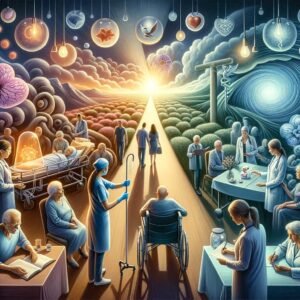
Recognizing the signs that indicate the end of life is approaching can be challenging, yet it’s crucial for providing appropriate care and support. These signs often manifest in both physical and emotional changes, signaling a transition from active treatment to a care approach focused on comfort.
Physically, patients may experience increased fatigue and a significant decrease in energy levels. This profound tiredness often leads to extended periods of sleep or rest. Appetite loss is another common sign; as the body begins to shut down, nutritional needs diminish, resulting in reduced interest in food and drink. Additionally, patients might exhibit changes in breathing patterns, such as Cheyne-Stokes respiration, which involves cycles of rapid breaths followed by periods of apnea.
Circulatory changes are also prevalent during this phase. Patients may develop cool extremities due to decreased blood circulation, accompanied by mottled skin or discoloration on hands and feet. A decline in kidney function can lead to reduced urine output or darker urine color.
Emotionally and cognitively, individuals nearing the end of life may become withdrawn or less communicative with loved ones. They may experience confusion or disorientation due to metabolic imbalances that affect brain function. Hallucinations or visions of deceased relatives are not uncommon and should be approached with sensitivity rather than alarm.
Caregivers and family members need to recognize these signs as part of the natural dying process rather than indicators requiring medical intervention aimed at prolonging life unnecessarily. Understanding these signals allows families to focus on ensuring comfort through palliative measures such as pain management, maintaining dignity, and providing emotional support tailored to individual needs. By acknowledging these signs compassionately, caregivers can better prepare themselves emotionally while facilitating an environment where patients feel supported during their final journey.

Turn Your Goals into Milestones—Digitally Guided, Personally Achieved.
6. Emotional and Physical Challenges in End-of-Life Care at Home
End-of-life care at home presents a unique set of emotional and physical challenges for both patients and their caregivers. Emotionally, families often grapple with anticipatory grief, a form of mourning that occurs before an impending loss. This can manifest as anxiety, sadness, or even anger as loved ones prepare for life without the patient. Caregivers may also experience feelings of helplessness or guilt if they perceive themselves as unable to provide adequate support.
The emotional toll on patients can be equally profound. They may face fear about the unknown aspects of dying, concern over burdening family members, or regret about unfinished business in their lives. Open communication between patients and caregivers is crucial to address these emotions effectively; however, initiating such conversations can be daunting due to cultural taboos surrounding death.
Physically, end-of-life care requires significant attention to managing symptoms such as pain, fatigue, and shortness of breath. Ensuring comfort requires meticulous coordination with healthcare providers to adjust medications and treatments appropriately. The physical strain on caregivers should not be underestimated either; tasks such as lifting or repositioning a bedridden patient can lead to exhaustion or injury if proper techniques are not employed.
Moreover, logistical challenges arise from adapting a home environment to one that meets the needs of palliative care—this may involve acquiring specialized equipment, such as hospital beds or oxygen tanks, while ensuring accessibility within the living space.
To mitigate these challenges effectively requires comprehensive planning involving medical professionals who specialize in palliative care, alongside social workers who can offer resources tailored specifically to support both patient well-being and caregiver resilience during this critical phase of life’s journey.
Thrive Individually, Impact Collectively—Join the Movement Now.
7. Leading Causes of Death and Their Impact on Life Expectancy
Understanding the leading causes of death is crucial for both healthcare professionals and policymakers as they strive to enhance public health outcomes and prolong life expectancy. Globally, the primary causes of mortality have shifted over time due to advancements in medicine, changes in lifestyle, and environmental factors. Currently, non-communicable diseases (NCDs) such as cardiovascular diseases, cancers, respiratory illnesses, and diabetes are at the forefront.
Cardiovascular diseases remain the most significant contributors to global mortality rates. Conditions like coronary artery disease and stroke account for a substantial percentage of deaths worldwide. These ailments often result from a combination of genetic predisposition and lifestyle choices such as poor diet, lack of exercise, smoking, and excessive alcohol consumption.
Cancer is another major cause that significantly impacts life expectancy. While survival rates have improved due to early detection methods and advanced treatments, such as immunotherapy and targeted therapy, certain types remain particularly aggressive, with lower survival prospects.
Chronic respiratory diseases also play a critical role in shaping mortality statistics. Factors, including air pollution and tobacco use, exacerbate diseases such as chronic obstructive pulmonary disease (COPD). These issues require concerted efforts from both individuals and governments to address effectively.
Diabetes has emerged as a growing concern globally due to rising obesity rates linked with sedentary lifestyles. The complications arising from unmanaged diabetes can lead to severe health issues affecting multiple organ systems.
The impact these leading causes have on life expectancy is profound; however, understanding them enables strategic interventions aimed at prevention through education about healthy living practices, alongside policy initiatives targeting risk factor reduction across populations.
By addressing these key areas proactively through comprehensive healthcare strategies focusing on prevention rather than just treatment alone, life expectancies can be extended while enhancing quality-of-life metrics universally.
Purpose Meets Progress—Support a Better World with Us.
Conclusion:
As we confront the realities associated with terminal illness and end-of-life care, it becomes evident that knowledge empowers both patients and caregivers to make informed decisions aligned with personal values. By differentiating between types of diseases, evaluating treatment efficacy, such as the role of chemotherapy in cancer management, understanding tumor complexities, accurately interpreting survival statistics, recognizing end-of-life signs compassionately, addressing caregiving challenges at home effectively, and acknowledging major mortality contributors, we can foster an environment where dignity prevails over despair. Ultimately, through education combined with individualized empathetic support systems, patients may navigate these challenging times more peacefully, ensuring quality remains central throughout their remaining days.